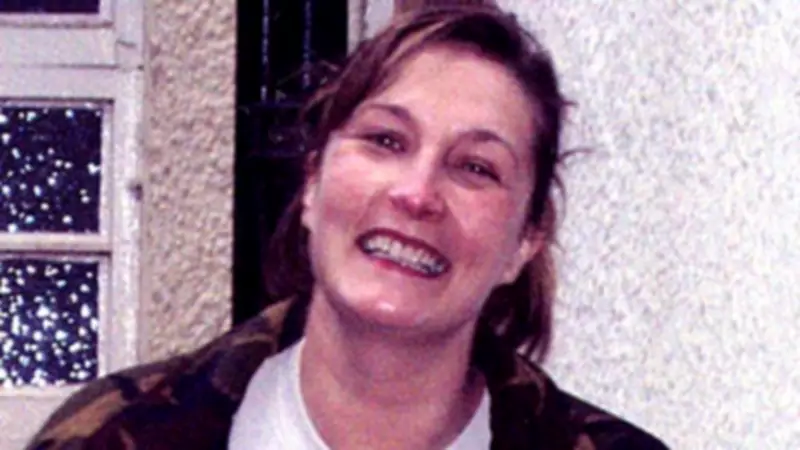
Suzanne's Law Parole Board Changes Take Effect in Scotland
A significant legal reform, known as Suzanne's Law, officially came into force in Scotland on Wednesday, 25 March 2026. This change mandates that the parole board must now consider whether convicted killers have refused to disclose the whereabouts of their victims' remains when evaluating potential release.
Background and Campaigning Efforts
The legislation, named after Suzanne Pilley, a 38-year-old bookkeeper from Edinburgh who was murdered in 2010 by David Gilroy after ending their relationship, was introduced as part of the Scottish government's Victims, Witnesses and Justice Reform (Scotland) Act. Gilroy was convicted and sentenced to at least 18 years in prison but has never revealed the location of Pilley's body. The law also follows campaigning from the family of Arlene Fraser, who was murdered by her husband Nat Fraser in Moray in 1998, with her remains also never recovered. Nat Fraser received a life sentence with a minimum of 17 years in 2012.
Key Provisions of the New Law
Under Suzanne's Law, in cases where a victim's remains have not been found and there are reasonable grounds to believe the killer possesses this information but has not disclosed it, this factor must be taken into account during parole hearings. This aims to provide a measure of justice and closure for affected families, addressing a critical gap in the justice system.

Reactions from Officials and Advocates
Debbie Adams, interim chief executive of Victim Support Scotland, stated: "The prospect of bringing a measure of justice and closure to families has driven our commitment to this campaign. Victim Support Scotland will continue to campaign on behalf of victims, witnesses, and their families, and are hopeful that this change will pave the way for further reform." Liberal Democrat MSP Jamie Greene, who introduced the amendment leading to Suzanne's Law, expressed pleasure at its enactment and related changes requiring the parole board to consider victim safety. However, he noted disappointment over the lack of a timetable for implementing another part of the legislation, which would require the Crown Office and Procurator Fiscal Service to inform victims of decisions to drop proceedings or not prosecute cases.
Government Commitment and Implementation
Justice Secretary Angela Constance emphasized: "Changes in the landmark Victims, Witnesses, and Justice Reform Act will require that the Parole Board for Scotland must, when making a decision on release, take account of whether the prisoner has information about the disposal of the victim's remains, but has not disclosed it. We will implement all parts of the act and will do so in a phased way to ensure reforms can be introduced in a manner that does not unduly affect the operation of our justice system." This phased approach aims to balance reform with systemic stability, ensuring that justice processes remain effective while addressing the needs of victims and their families.