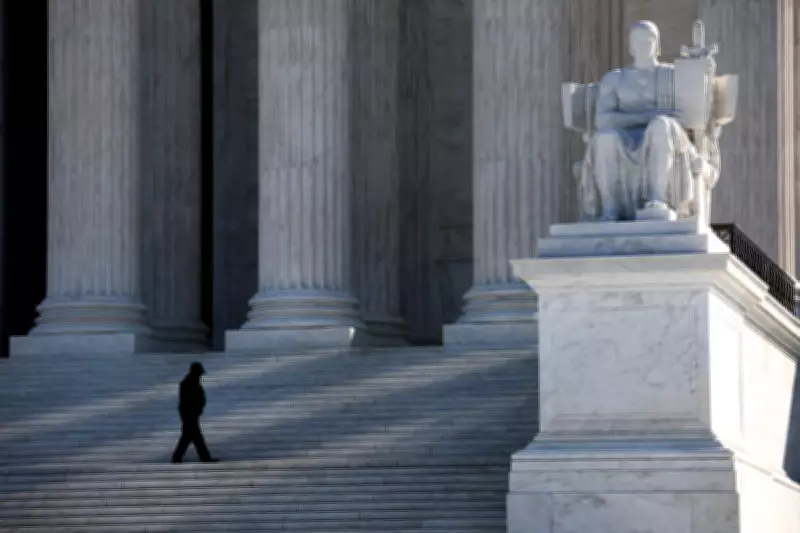
The United States Supreme Court has announced its decision to review a high-profile death penalty case from Mississippi, centering on the defendant Pitchford. This move marks a significant development in the ongoing legal debates surrounding capital punishment in the United States, with potential ramifications for similar cases across the country.
Case Background and Legal Context
The case involves Pitchford, who was convicted and sentenced to death in Mississippi for crimes that have sparked intense scrutiny. The Supreme Court's decision to take up this appeal comes after lower courts upheld the conviction and sentence, but legal experts argue that unresolved constitutional questions warrant further examination.
Mississippi has one of the highest rates of capital punishment in the nation, and this case is seen as a critical test of the state's application of the death penalty. The Supreme Court's review will focus on issues such as due process, the fairness of the trial, and the methods used in sentencing, which could set important precedents for future cases.

Implications for National Death Penalty Policies
If the Supreme Court rules in favor of Pitchford, it could lead to broader changes in how death penalty cases are handled, not just in Mississippi but throughout the United States. Legal analysts suggest that a decision against the state might prompt reforms in sentencing procedures and appeals processes, potentially reducing the number of executions.
Conversely, a ruling upholding the death penalty could reinforce existing practices and provide a legal basis for other states to continue with capital punishment. This case is being closely watched by advocacy groups on both sides of the debate, with many viewing it as a pivotal moment in the fight over the future of the death penalty in America.
Reactions from Stakeholders and Public Opinion
Reactions to the Supreme Court's decision have been mixed. Proponents of the death penalty argue that it is a necessary tool for justice in severe cases, while opponents highlight concerns about wrongful convictions and racial disparities in sentencing. Public opinion polls show a divided nation on this issue, with many calling for a moratorium on executions pending further review.
As the case progresses, it is expected to generate significant media attention and public discourse, shaping the national conversation on capital punishment for years to come.