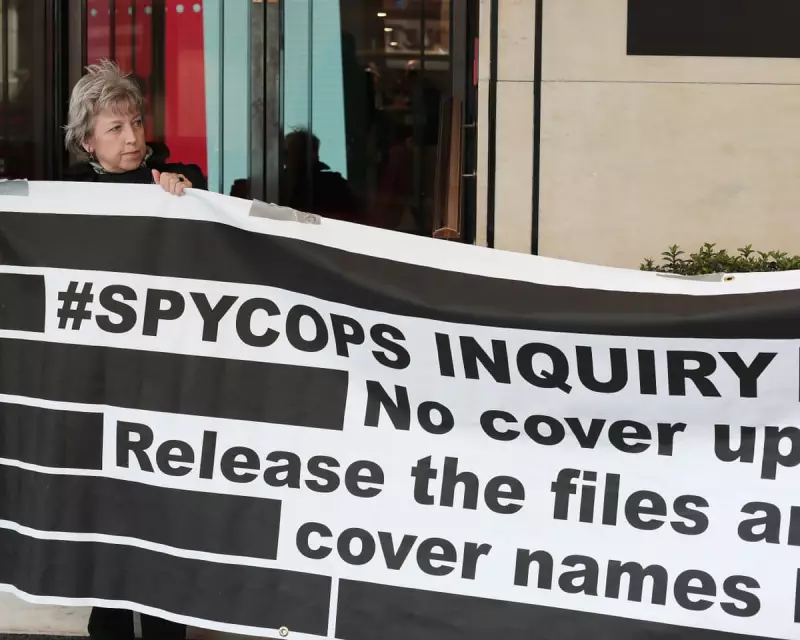
A public inquiry has exposed the vast scale of secret cooperation between undercover police officers and the UK's domestic intelligence agency, MI5. Documents show that for decades, thousands of surveillance reports gathered by police spies infiltrating political groups were routinely handed over to the Security Service.
The Scale of the Surveillance Operation
From the late 1960s until the 1990s, police units like the Special Demonstration Squad (SDS) sent undercover officers on long-term missions to infiltrate primarily left-wing campaign groups. These officers compiled enormous quantities of intelligence on members' political activities and personal lives.
It has now been revealed that the majority of these clandestine reports were passed to MI5. This allowed the Security Service to build extensive files on individuals involved in legitimate, peaceful protest movements. The collaboration was particularly intense during the Cold War, driven by paranoia about left-wing influence.

Intrusive Details and Personal Information
The surveillance was extraordinarily intrusive. Reports logged not just political plans for demonstrations, but also deeply personal information about the campaigners. This included details of their marriages, sexuality, holiday plans, and bank accounts.
Shockingly, the monitoring extended to children as young as 13, whose political beliefs were recorded alongside photographs. The files also noted the births of campaigners' children and personal family details, such as a parent having a child with Down's syndrome.
MI5 frequently requested specific "shopping lists" of information from the police spies, including home addresses and photographs. A senior, unnamed MI5 official told the inquiry it was "highly likely" that much of this data was used to vet the political views of people applying for government jobs, potentially blocking those deemed too left-wing.
Close Collaboration and Lasting Legacy
The inquiry has published a trove of internal MI5 records that illuminate this long-standing partnership. Stamped with "Box 500" – MI5's wartime postal address – the documents confirm the reports' destination. Senior police and MI5 officers met regularly to discuss which groups to infiltrate.
Ben Gunn, a former senior officer who oversaw the SDS, stated: "The Security Service knew exactly what we were doing... They lived off the product. They enjoyed the product. They even targeted and helped targeting."
MI5 has stated it formally stopped investigating "subversion" on a wide-ranging basis in 1996, as the perceived threat diminished. However, the agency retains these historical files today. Notably, MI5 has said it began investigating left-wing, right-wing, anarchist, and single-issue extremism again in 2020, though the exact scope remains unclear.
The Undercover Policing Inquiry, led by retired judge Sir John Mitting, is examining these operations from 1968 to at least 2010. It is also scrutinising other controversies, including officers deceiving women into relationships and spying on grieving families.