Scotland's Lord Advocate Addresses Supreme Court Ruling Impact
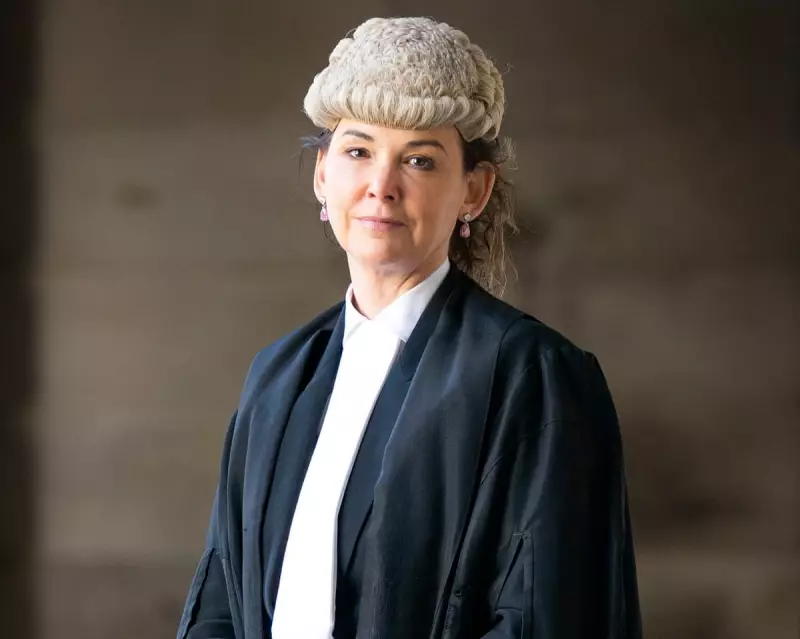
Scotland's most senior law officer has moved to reassure victims of sexual abuse that their protections remain intact following a Supreme Court judgment that questioned whether Scottish laws might be infringing upon defendants' rights to a fair trial. Lord Advocate Dorothy Bain KC issued a strongly worded statement emphasising that statutory safeguards for those giving evidence in sexual offence cases continue to apply despite the court's concerns.
Understanding the Supreme Court's Position
Last Wednesday, the Supreme Court delivered its judgment regarding appeals from two men convicted of rape in Scottish courts. While both appeals were ultimately dismissed, the five-judge panel ruled that Scotland's courts must change their approach to admitting evidence in such cases. The court warned that the current process "is liable to result in violations of defendants' rights to a fair trial under article 6 of the convention".
The case centred on Scotland's rape shield laws, specifically sections 274 and 275 of the Criminal Procedure (Scotland) Act 1995. These provisions were originally designed to protect complainers in sexual offence cases from humiliating questions about their sexual history or character during cross-examination.
Legal Community Reacts to Judgment
Legal professionals have expressed growing concerns that these laws, operating alongside common law principles, have resulted in a narrowing of admissible evidence. Thomas Ross KC, who has previously criticised the operation of rape shield laws, suggested that the judgment could lead to significant consequences for active prosecutions and potentially trigger a flood of appeals.
At a public debate organised by the Scottish Association for the Study of Offending, Ross proposed that Holyrood should commission a human rights lawyer to handle miscarriage of justice referrals. He predicted that the Scottish Criminal Cases Review Commission would likely face an influx of new cases, potentially overwhelming the system.
However, Katrina Parkes, the legal director of Scotland's crown office, countered these concerns by insisting that the ruling does not automatically render existing convictions unsafe. She emphasised that any appeals would be considered individually through established review processes.
Victim Support Organisations Voice Concerns
Sandy Brindley, chief executive of Rape Crisis Scotland, expressed apprehension about the judgment's potential impact on victims' willingness to come forward. "The possibility of having your sexual history dragged up in court really could put women off reporting", she stated, highlighting worries about what the ruling might mean for women's confidence in Scotland's justice process.
In her intervention, Lord Advocate Bain sought to refocus attention on victims' protections, stating: "I would like to make clear that I understand sexual abuse inflicted upon women and children to be the single greatest challenge our justice system faces." She emphasised that the Supreme Court ruling does not alter statutory protections for those giving evidence and that safeguards remain firmly in place to protect victims' dignity, privacy and wellbeing.
Bain further noted that the Supreme Court had emphasised that any intrusion into a complainer's privacy must be no more than necessary to ensure the accused receives a fair trial. This clarification comes amid a broader context of justice reforms in Scotland, including the recent parliamentary vote to abolish the not proven verdict – a legal anomaly considered a key factor in Scotland's significantly lower conviction rates for rape and sexual assault.