The Orbán-Trump Nexus: A Shared Assault on Independent Media
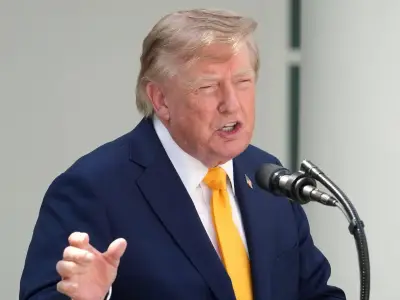
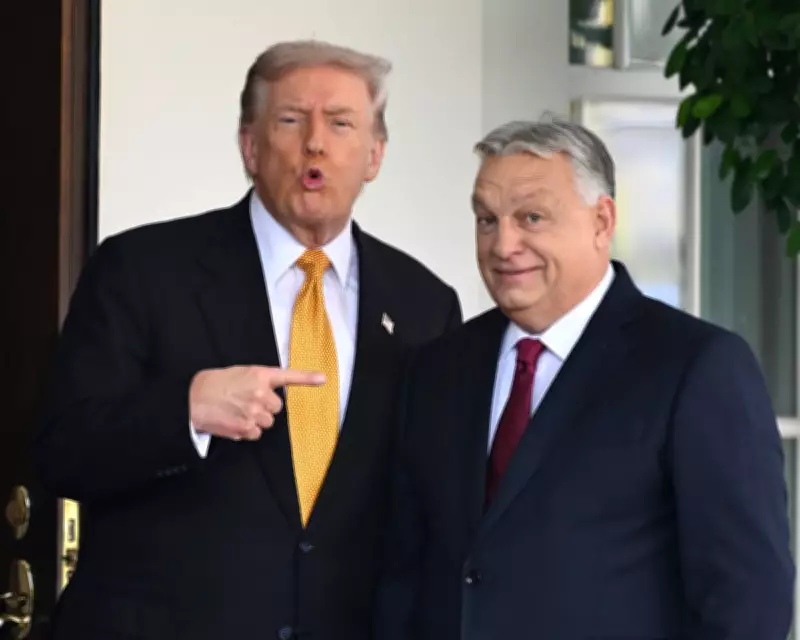
In a stark display of authoritarian alignment, Donald Trump hosted Hungary's Prime Minister Viktor Orbán at the White House in Washington on November 7, 2025. This meeting underscored a deepening bond between two leaders who have pioneered aggressive campaigns against press freedom, drawing alarming parallels that span continents and political systems.
Dehumanizing Language and Exclusion Tactics
Both Orbán and Trump employ vicious rhetoric to undermine journalists. Orbán has labeled independent media outlets as "fake news factories" and described journalists, judges, and civil society groups as "stink bugs" requiring eradication. Similarly, Trump has branded critical outlets as purveyors of "fake news" and "enemies of the people," while targeting female reporters with misogynistic insults like "piggy" and "stupid." Beyond words, both leaders systematically deny access to independent reporters. Orbán's government excludes them from government events and press conferences, with instances of forced removal during election campaigns. The Trump administration barred the Associated Press from the Oval Office and Air Force One over a naming dispute, and after a court ruling against Pentagon access restrictions, it closed media offices there in an apparent circumvention attempt.
Legal Warfare and Regulatory Capture
When exclusion fails, lawfare becomes the weapon of choice. In Hungary, the government filed a criminal complaint accusing investigative journalist Szabolcs Panyi of espionage after he reported on confidential EU meetings with Russia. Orbán's allies use strategic litigation against public participation (Slapps) to drain resources from independent media, such as lawsuits against outlets citing criticism from a supermarket CEO. Trump has mirrored this with multibillion-dollar Slapps against major news organizations like ABC News, the New York Times, and the BBC. Regulatory bodies are not spared. Orbán packed Hungary's media authority with loyalists, leading to the loss of Klubrádió's broadcasting license and the merger of over 470 pro-government outlets into a foundation, bypassing competition rules. In the US, Trump's FCC chair, Brendan Carr, has waived ownership caps and approved mergers favoring political allies, undermining the commission's independence.

Escalating Repression and Global Implications
Under Trump's second term, arrests and detentions of journalists have increased, including FBI raids on a Washington Post journalist and the arrest of former CNN reporter Don Lemon on flimsy charges. Hungary's press freedom rank plummeted from 23rd to 68th globally, with Orbán's party now controlling roughly 80% of media. While the US hasn't reached this level of capture, Trump's rapid consolidation efforts, lacking EU-style oversight, could soon surpass the Hungarian model. Yet, independent outlets in Hungary persist through civic trust and innovative funding, offering a lesson in resilience. As Hungarians vote on April 12, the world must heed these tactics. If authoritarians learn from each other, advocates for a free press must unite to counter this global threat to democracy and truth.