Nottingham Killer Attempted to Surrender at MI5 Headquarters Before 2023 Attack
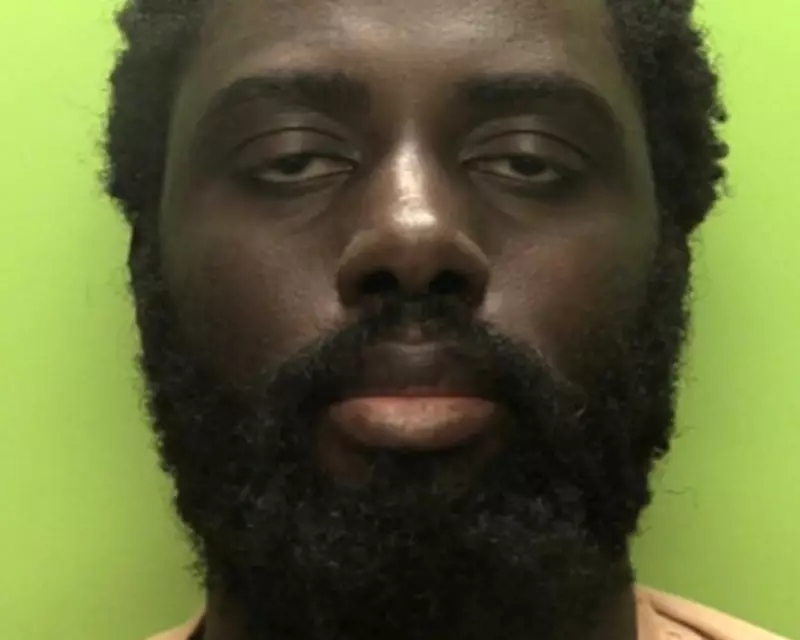
A public inquiry in London has revealed that Valdo Calocane, the man responsible for a fatal knife attack in Nottingham in 2023, tried to hand himself into MI5 for arrest two years prior to the incident. Calocane, 34, was sentenced to indefinite detention at a high-security hospital after admitting to manslaughter on the basis of diminished responsibility for the deaths of Grace O’Malley-Kumar and Barnaby Webber, both 19, and Ian Coates, 65, during a stabbing spree on 13 June 2023.
Details of the MI5 Incident and Police Response
On Tuesday, the inquiry heard that in May 2021, Calocane approached the MI5 headquarters at Thames House in central London, where he rang the intercom and informed security that he wanted to be arrested and speak to the police. PC Graham Foster, who confronted Calocane outside, described him as "calm, compliant, and coherent" and stated he aimed to build rapport rather than immediately question his motives. Despite this, Calocane was referred to the Fixated Threat Assessment Centre (FATC), a unit that evaluates threats from fixated individuals, but he did not meet their threshold for further assessment.
Supt Lorraine Busby-McVey of the Metropolitan Police testified that an intelligence report from the FATC regarding Calocane's visit was passed to Nottinghamshire police the following day, 1 June. However, she expressed disappointment that the force did not conduct its own assessment, noting that the report was not accessible to all officers. She mentioned that a new system has since been implemented to improve information sharing between police forces.

Reports from Flatmate and Missed Warnings
The inquiry also heard testimony from Calocane's former flatmate, identified only as Sebastian, who reported that his concerns to Nottinghamshire police were ignored. Sebastian described an incident where Calocane grabbed him, pushed him against a wall, and made threatening statements, saying, "someone would contact me and that if they contacted me, I should tell them that VC would find them." After reporting this, an officer promised to file a report but did not specify which agency would be alerted.
Sebastian further alleged that he suspected Calocane of stalking him and attempting to enter his bedroom at night, leading him to lock his door out of fear. He found it "very surprising" and "weird" that he received no response when he reported these additional concerns. Upon hearing about the Nottingham attacks, Sebastian immediately suspected Calocane could be the perpetrator before his identity was confirmed.
Ongoing Inquiry and Broader Implications
The inquiry continues to examine the events leading up to the attack, highlighting potential failures in mental health assessments and police communication. This case underscores the critical need for effective threat evaluation and inter-agency coordination to prevent such tragedies. The revelations have sparked discussions about the handling of individuals with mental health issues and the protocols for sharing intelligence across law enforcement bodies.