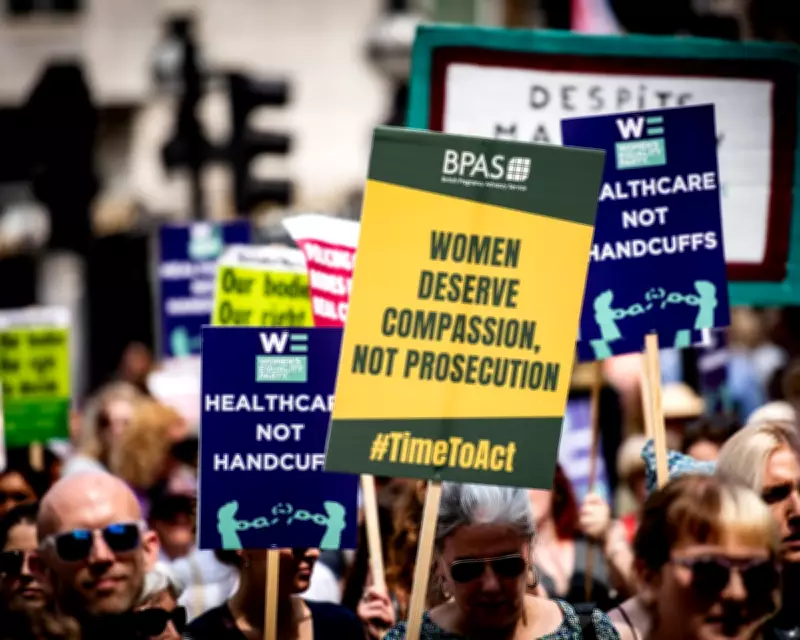
House of Lords to Vote on Abortion Decriminalisation Amendments
In a pivotal moment for reproductive rights, the House of Lords is preparing to debate and vote on amendments to decriminalise abortion in England and Wales. This follows a historic decision by the House of Commons in June 2023, where MPs overwhelmingly supported ending the criminalisation of women who terminate pregnancies outside the legal framework, marking the most significant advancement in reproductive rights in six decades.
Background: The Commons Vote and Current Legal Status
Last summer, MPs voted 379 to 137 to decriminalise abortion through an amendment to the crime and policing bill, proposed by Labour backbencher Tonia Antoniazzi. While this legislation has not yet been enacted, it aims to protect women from prosecution for abortions conducted outside the legal framework, which still requires two doctors' signatures and adheres to time limits. Doctors, however, remain liable for prosecution if they act unlawfully.
Despite this progress, women continue to face arrests, as police retain discretion in investigating cases. Harriet Wistrich, a solicitor and chief executive of the Centre for Women's Justice, notes that police can choose to invite suspects for voluntary interviews rather than making immediate arrests.

Key Amendments Proposed in the Lords
Nine amendments have been laid before the House of Lords, with votes anticipated on Wednesday. These include both pro-choice and anti-abortion proposals, reflecting a divisive debate. Amendments can be submitted until Tuesday, and members may call for divisions to put them to a vote.
- Strikethrough Amendment: Proposed by Conservative peer Rosa Monckton, this seeks to delete the decriminalisation clause entirely, opposing the Commons' decision.
- Telemedicine Amendment: Put forward by Conservative peer Philippa Stroud, this aims to end remote consultations for abortions up to nine weeks and six days, reinstating in-person requirements despite a similar proposal failing in the Commons.
- Pardon Amendment: Proposed by Labour peer Glenys Thornton, this would pardon women with convictions or cautions for abortion offences and remove their details from police systems, addressing the issue of these offences being classified as violent crimes in DBS checks.
- Cease and Desist Amendment: Introduced by Liberal Democrat peer Liz Barker, this would extend decriminalisation to women under investigation for offences committed before the law change, ensuring current cases are discontinued.
Impact and Timeline
The crime and policing bill is expected to complete its parliamentary passage in the coming weeks. If decriminalisation is retained, it will become law upon receiving royal assent, potentially transforming the legal landscape for women's health in England and Wales. This debate underscores ongoing tensions between reproductive rights advocates and opponents, with significant implications for future policy and enforcement.