Manhattan Judge Postpones Both Trials in High-Profile Healthcare CEO Killing
A Manhattan judge has officially delayed both the state and federal trials for Luigi Mangione, the man accused of fatally shooting UnitedHealthcare chief executive Brian Thompson on a New York City street in December 2024. The much-anticipated legal proceedings faced postponement on Wednesday after Mangione's defense team argued that preparing for two simultaneous trials would violate their client's constitutional rights.
Revised Trial Dates and Judicial Decisions
Justice Gregory Carro, overseeing the state case, moved Mangione's trial from June 8 to September. Meanwhile, federal judge Margaret Garnett tentatively rescheduled the federal proceeding to October 5, with jury selection beginning that day and the trial commencing with openings and testimony on October 26 or November 2. Garnett's decision followed a request from Mangione's attorneys, who highlighted the impracticality of managing two serious trials concurrently.
Mangione's state trial, expected to last four to six weeks, involves second-degree murder charges for Thompson's killing. The federal case, which originally included death penalty-eligible charges dismissed in January, adds another layer of complexity. In court, Mangione's lead attorney, Karen Friedman Agnifilo, emphasized, "I don't think what we're asking for is unreasonable," pointing to the logistical challenges.

Defense Arguments for Postponement
In an 18 March letter to Judge Garnett, Mangione's legal team detailed their concerns. They argued that Mangione faces an "impossible position" needing to prepare for both trials simultaneously, which they claim violates several constitutional rights, including his right to meaningful participation in jury selection. Specifically, they noted that federal jury questionnaires were scheduled for distribution on June 29, coinciding with the state trial, making it impractical for Mangione to review 800 questionnaires while attending court daily.
Additionally, the defense warned that potential federal jurors could be exposed to media coverage of the state trial, compromising their impartiality. "Mr. Mangione's potential federal jurors will be constantly bombarded with news reports and social media posts relating to the allegations and evidence against Mr. Mangione," they wrote, stressing that this would undermine the jury selection process.
Prosecution Opposition and Public Interest
Prosecutors opposed the delay, arguing in a 21 March letter that targeted modifications to the questionnaire process could address the defense's concerns without a full postponement. They maintained that the public has a right to a speedy trial, especially in a case of such significance. Prosecutor Dominic Gentile reiterated this in court, stating, "The public has a right to a speedy trial as well, especially in a case as significant as this. Your honor need only look out the window to see the people who follow this defendant and believe that what he did was right."
Judge Garnett acknowledged the interplay between the state and federal cases, noting that events in the state trial would inevitably affect the federal proceedings. She agreed that distributing questionnaires during the state trial would render them ineffective, stating, "There's really no way around taking into account the events in the state case involving the same defendant."
Courtroom Scene and Cultural Impact
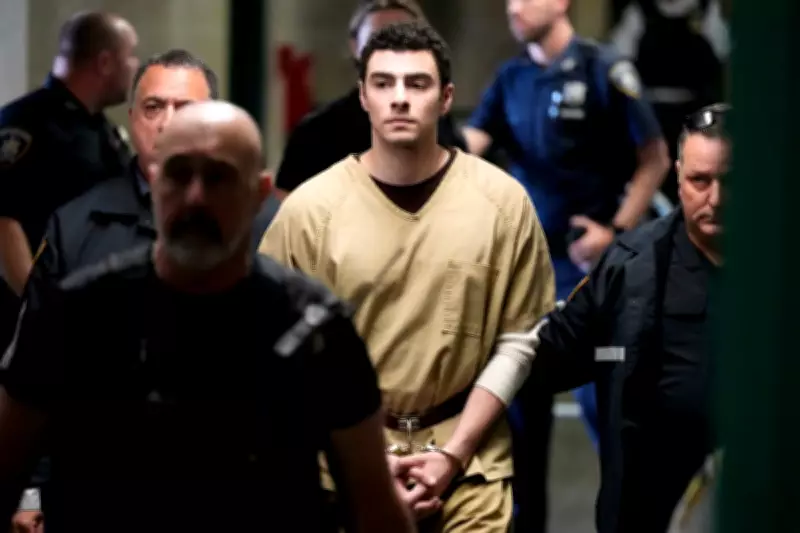
The hearing drew about two dozen Mangione supporters, some wearing green attire in reference to the Nintendo character Luigi, highlighting the folk hero status Mangione has gained among some groups following Thompson's death. Thompson's killing not only sparked a widespread manhunt but also intensified public debate over the for-profit US healthcare industry. During the proceeding, Mangione, dressed in khaki jail scrubs, remained alert, occasionally touching his mouth or leaning toward his lawyer.
This case continues to captivate public attention, with its delays reflecting the intricate balance between legal rights, logistical realities, and societal interests in high-profile criminal trials.