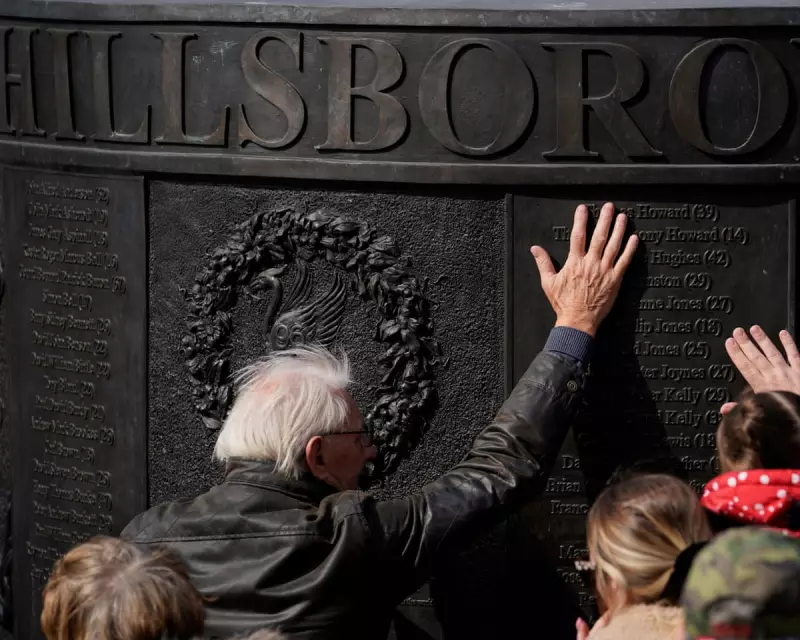
After a staggering 36-year fight for justice, the families of the 97 victims of the Hillsborough disaster have finally received the findings of a major 14-year investigation into police conduct surrounding the tragedy.
Watchdog Finds Systemic Failures and Attempts to Shift Blame
The Independent Office for Police Conduct (IOPC) has delivered a damning verdict, ruling that twelve police officers, most of them senior, should have faced disciplinary cases for gross misconduct. Their failings are directly linked to the catastrophic crowd crush at the 1989 FA Cup semi-final in Sheffield.
The report concludes that in the aftermath, numerous officers attempted to minimise the force's own responsibility. The IOPC found evidence that blame was systematically deflected onto the victims themselves and the Liverpool football club supporters, in what families have long described as a coordinated smear campaign.

A 'Cover-Up' and Biased Investigations
The watchdog's investigation unearthed further disturbing conduct during the subsequent inquiries. It found that police investigators were biased in efforts to protect their colleagues. This included altering evidence and presenting conclusions designed to exonerate the force.
This pattern of behaviour fundamentally corrupted the early search for truth, leading bereaved families to accurately characterise the process as a widespread police "cover-up". The IOPC's report now provides official corroboration of these long-held claims.
A National Shame
In a powerful statement, the IOPC said the 97 people who lost their lives, their families, the survivors, and all those affected were "repeatedly let down—before, during and after the horrific events of that day."
The watchdog added a searing indictment: "What they have had to endure over more than 36 years is a source of national shame." This landmark report marks a pivotal moment in one of Britain's longest-running and most painful justice campaigns.
The findings confirm the profound institutional failures that compounded the original tragedy, highlighting a culture of defensiveness and protectionism within the police force at the time. For the families, the report represents a hard-won validation of their decades of unwavering resolve.