German prosecutors have accused Ukrainian state authorities of ordering the 2022 explosives attack on the Nord Stream gas pipelines, a charge that risks straining relations between Kyiv and Berlin, Ukraine's largest military backer in Europe.
Suspect indicted for war crimes
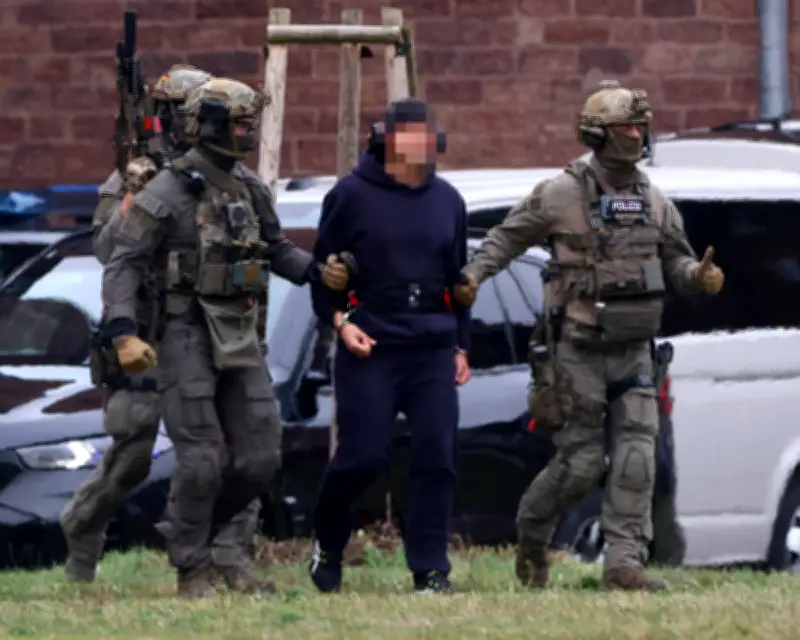
The federal prosecutor's office indicted Serhiy Kuznietsov, a former Ukrainian army officer, this week on charges including war crimes for an attack on a civilian site, causing an explosion, and disrupting public services. Kuznietsov was arrested in Italy in August and extradited to Germany in November.
Prosecutors allege that Kuznietsov, along with other military members, devised the plan to destroy Nord Stream pipelines 1 and 2 on orders from Ukrainian state authorities following Russia's full-scale invasion in February 2022. The attack in the Baltic Sea nearly destroyed the seafloor infrastructure, a key source of Russian gas to Germany.

Motivation and execution
The aim, according to prosecutors, was to permanently halt gas supplies via the pipelines and prevent Russia from using natural gas revenue to finance its war effort. At the time of the attack, Russia had recently cut off deliveries via Nord Stream 1, citing sanctions and technical issues, though European countries accused Moscow of weaponizing gas supplies.
Ukrainian President Volodymyr Zelenskyy said Wednesday he had not yet received full details of the indictment, which was served that day. “The relevant authorities of our countries will get in touch, and when we receive more details, we will probably be able to respond. For now, it is too early to speak,” he said, as reported by Reuters.
Details of the plot
The indictment describes a group formed to carry out the plot, including professional divers, a skipper, and an explosives expert, all under Kuznietsov's leadership. Kuznietsov allegedly entered Germany from Poland on September 4, 2022, using a forged Ukrainian passport. He then boarded an ocean-going sailing yacht with other group members, which had been chartered from a German company in Rostock using fake IDs.
The group transported large quantities of weapons-grade explosives to a site near the Danish island of Bornholm, where they affixed explosive devices with timers to the seabed gas pipelines. The devices detonated on September 26, 2022, causing severe damage to both pipelines and releasing record amounts of methane into the atmosphere.
Impact and legal proceedings
Prior to the incident, Nord Stream 1 transported about half of Germany's annual natural gas needs for energy production. Under German law, the war crime charge of directing an attack against civilian objects carries a minimum prison sentence of three years, or one year in less serious cases. The courts have jurisdiction because the damaged pipelines end at Lubmin in northeastern Germany, and their loss affected the country's energy security and domestic safety.
The case is expected to go to trial in the autumn in Hamburg. The far-right Alternative für Deutschland party, which opposes German military support for Ukraine, is likely to use the case ahead of September elections to push for cutting aid to Kyiv. The AfD currently leads in national opinion polls.