David Batty, a news editor and writer for the Guardian, was one of an estimated 185,000 babies taken from unmarried mothers in England and Wales between 1949 and 1976. On Thursday, the UK government formally apologised to mothers and adoptees affected by historical forced adoption. Batty argues that while the apology is welcome, it cannot heal the pain and that proper redress is needed.
The 'Chosen Child' Narrative Masks Trauma
Batty recalls a short story by Enid Blyton, The Child Who Was Chosen, read to him as a child to explain his adoption. The story follows a childless middle-class couple who obtain a 'chosen baby' through a 'very kind lady'. Batty notes that the tale omits any mention of the boy's original family or how he came to be adopted, and portrays the adoption agency as running a 'baby market'. He describes it as propaganda for an era of forced adoption.
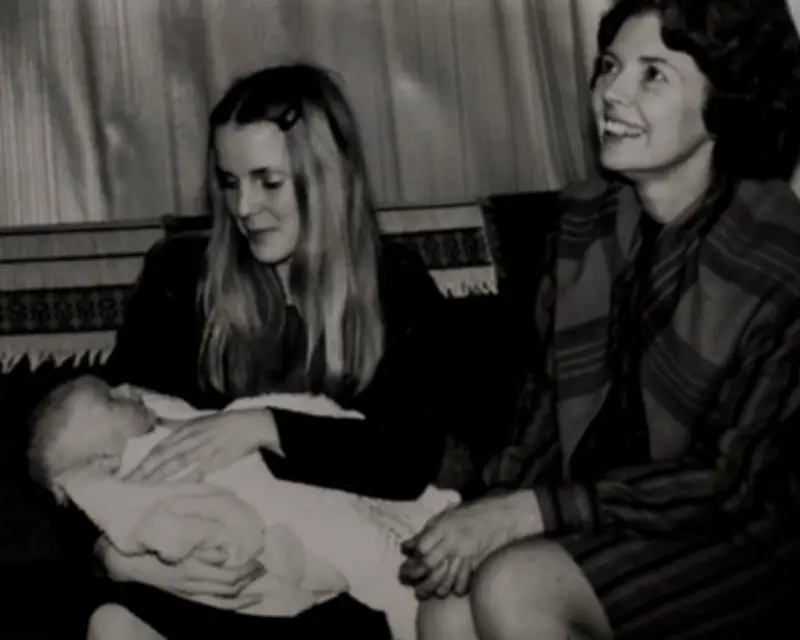
Between 1949 and 1976, an estimated 185,000 babies were taken from unmarried mothers in England and Wales. These women were coerced into signing adoption consent forms due to shame surrounding pregnancy outside marriage. The reverend who oversaw Batty's adoption in 1974 described his first mother, then 20, as a 'rebellious daughter' and 'a determined but probably disturbed girl'.

Apology Welcome but Insufficient
The apology by Prime Minister Keir Starmer recognised that many unmarried mothers were denied the choice to keep their babies and made to feel ashamed, while children lost their identity and family history. However, Batty insists that words are not enough. He calls for proper redress reflecting the systemic injustice by religious organisations, charities, and state-run mother and baby homes.
The government announced a £4m support package to help adoptees access records, fund intermediary services for reunion, improve mental health support, and document the long-term impact. But Batty says details are sketchy with significant gaps. Survivors need free high-quality therapy, not just better access to mental health support. Many adoptees end up estranged from both adoptive and original families due to reunion challenges. Batty's own meetings with his first mother felt like counselling sessions for her, leading to relationship breakdown.
Gaps in Support and Record Access
Better access to adoption records will help many adoptees, but those who obtain files often receive limited information due to poor record-keeping and gatekeeping. Batty knows of adoptees who received only a single vague page or heavily redacted forms, preventing reunion. While his own records are fuller, they omit information from one agency that still exists.
Adoptees also need screening for inherited health conditions. Some discover hereditary disease risks only during reunion, aggravating stress. Batty was recently diagnosed with a kidney condition his maternal grandfather had, originally misdiagnosed partly due to lack of family medical history.
Right to Original Identity and Current System Crisis
The apology made no mention of giving adoptees the right to revert to their original identity. Batty argues this is important for those who experienced abuse or neglect, including racism against transracial adoptees. In Australia, adult adoptees can discharge adoptions after the country's 2013 apology for forced adoption.
Batty points out that the current adoption system is in crisis, with growing numbers of adoptive families breaking up and traumatised children returned to care due to lack of therapeutic support. Austerity cuts have reduced early intervention for birth families, contributing to the UK's high rate of adoption without parental consent compared to other European countries.
Policymakers must grapple with the legacy of forced adoption to ensure historic biases, such as the idealised white middle-class nuclear family, no longer influence decisions. The agency handling Batty's adoption opposed his maternal grandparents adopting him, calling it an 'unnatural family setup'. While professional attitudes have changed, kinship care still lacks support.
Batty concludes that it is time to abandon the fairytale of adoption where love is enough and face the more complicated reality.