Epstein's Covert Surveillance Operation Exposed in DoJ Document Release
The United States Department of Justice has released millions of documents that include a revealing email exchange from 2014, showing convicted sex offender Jeffrey Epstein directing a staff member to install hidden video cameras at his Palm Beach, Florida residence. This correspondence provides concrete evidence of surveillance activities that victims had long feared.
Hidden in Plain Sight: Tissue Box Cameras
In an email dated February 5, 2014, Epstein specifically instructed an associate: "Let's get three motion detected hidden cameras, that record, thanks." Just five hours later, the aide responded with detailed implementation plans, stating they had already purchased motion sensor cameras from a spy store in Fort Lauderdale and were "installing them into Kleenex boxes now." This method of concealment demonstrates the deliberate nature of the surveillance operation.
Surveillance Footage Analysis
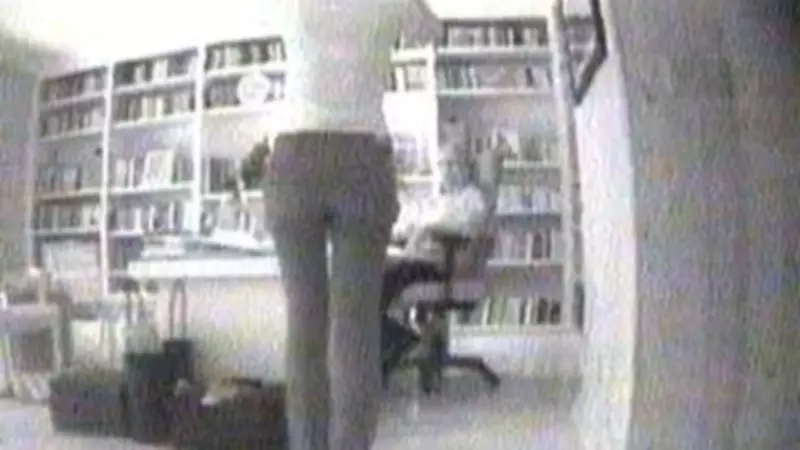
The Sky News Data & Forensics team has conducted extensive review of more than a thousand fragmented videos released alongside these documents. Many recordings appear to have been captured within Epstein's office at the Florida property. One particular surveillance video shows a man resembling Epstein conversing with women in that room, while another depicts a woman kneeling beside him.

Although the exact timing of this footage remains unconfirmed, the visual evidence aligns with police documents indicating victims' concerns about secret recording. These newly uncovered emails and analyzed images strongly suggest those fears were well-founded.
Political Fallout and Attorney General Testimony
The document release has sparked significant political controversy, particularly surrounding US Attorney General Pam Bondi's handling of the Epstein files. During a recent committee hearing that descended into shouting matches, Bondi gave her first sworn testimony since the documents became public.
Epstein survivors and critics have accused Bondi of "lacking empathy and humanity," while expressing concerns that powerful figures might still be protected due to incomplete document releases and extensive redactions. As head of the Department of Justice, Bondi defended the release process while stating she was "deeply sorry for what any victim has been through, especially as a result of that monster."
However, the attorney general declined to accept personal responsibility for initial failures to properly redact victim names in the files, maintaining that staff had performed their best under difficult circumstances.
Broader Implications and Ongoing Investigations
These revelations add substantial weight to long-standing allegations about Epstein's surveillance practices and raise important questions about accountability and transparency in high-profile cases. The combination of email evidence and surveillance footage creates a more complete picture of activities at Epstein's properties.
The ongoing analysis of released documents continues to uncover disturbing details about Epstein's operations, while political debates about the completeness of the document release and protection of victims' identities remain contentious issues in Washington.