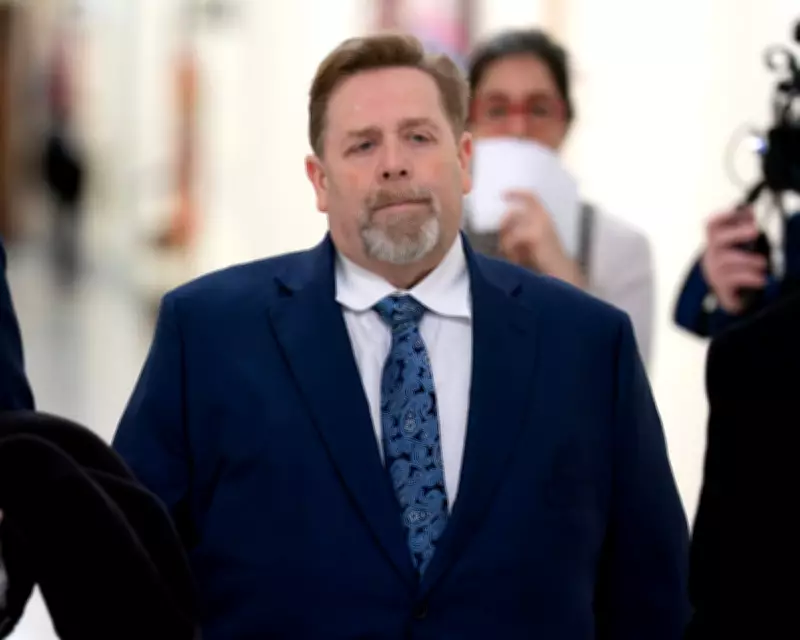
Darren Indyke, the former attorney for the late financier Jeffrey Epstein, arrived at Capitol Hill on March 19, 2026, to provide a deposition before the House oversight committee. This appearance followed the release of deposition videos by the committee, which revealed startling testimony from both Indyke and Epstein's accountant, Richard Kahn.
Key Testimony Highlights Investigative Failures
In hours of closed-door interviews, both Kahn and Indyke stated that federal government investigators never questioned them about Epstein's criminal activities or their professional roles working for him. These depositions underscore substantial deficiencies in the justice department's efforts to hold Epstein and his associates accountable for crimes involving child sex trafficking.
Accountant and Lawyer Express Regret Over Association
Richard Kahn, who served as Epstein's accountant, testified that he has "never been questioned by any government authority" regarding his knowledge of Epstein. Similarly, Darren Indyke responded, "I don't think I was," when asked if law enforcement agencies had ever interviewed him about Epstein or his accomplice, Ghislaine Maxwell.

Both individuals expressed deep regret for their continued association with Epstein, especially after his 2008 guilty plea for soliciting a minor. Indyke admitted that he "drank the Kool-Aid at the time" and remained in his position, describing his role as purely "transactional" rather than personal. Kahn explained his decision to stay, citing the financial crisis and family obligations, but acknowledged it was a "wrong decision" given Epstein's subsequent abuse of hundreds of minors and adults.
Justice Department Under Scrutiny for Document Handling
The Trump administration has faced intense criticism for its limited release of documents related to Epstein and the absence of criminal prosecutions against his associates. The justice department has released approximately 3 million documents, many heavily redacted, while withholding a similar number despite bipartisan congressional legislation mandating full disclosure.
Officials from the justice department and FBI have defended their actions, claiming an "exhaustive review" has been conducted and that no additional documents will be released. This stance has fueled ongoing debates about transparency and accountability in high-profile cases.
Broader Implications for Epstein Case Accountability
The testimonies from Kahn and Indyke highlight persistent questions about the thoroughness of federal investigations into Epstein's network. Epstein died in 2019 while in custody, with his death ruled a suicide, leaving many aspects of his crimes and connections unresolved. The House oversight committee's release of these deposition videos aims to shed light on these gaps and push for greater accountability in future investigations.