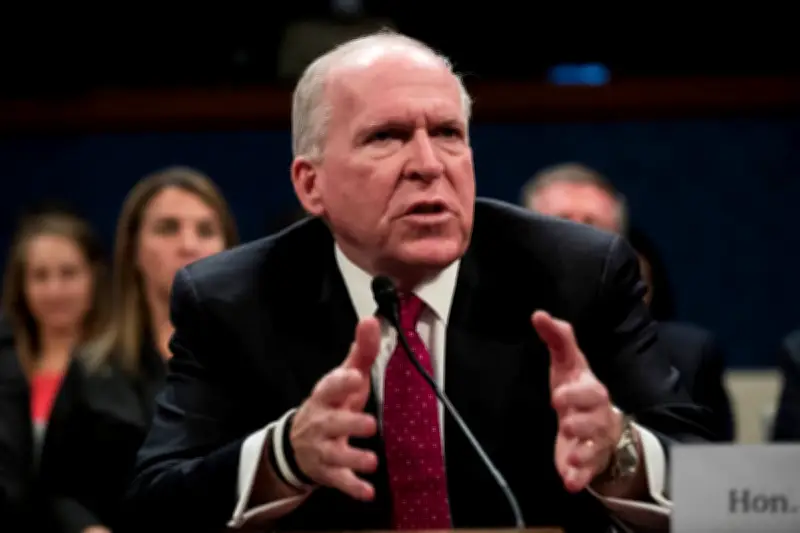
Former CIA Director John Brennan filed a lawsuit against the Trump administration on Wednesday, seeking a court order to compel officials to preserve records from investigations he claims are targeting him for 'phantom criminal conduct.' Brennan asserts that these records are crucial for mounting a defense on grounds of vindictive prosecution if he is indicted in the future.
Details of the Lawsuit
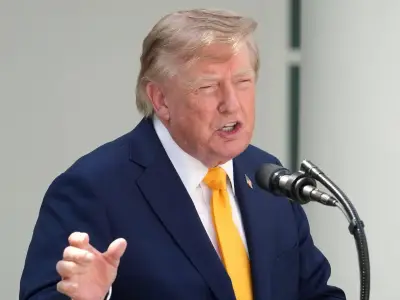
The lawsuit, filed in federal court in Washington, names President Donald Trump and other top law enforcement officials, including Acting Attorney General Todd Blanche, FBI Director Kash Patel, and prosecutors in Florida overseeing investigations related to Brennan and other perceived Trump adversaries. Brennan's lawyers argue that the administration's actions are retaliatory, citing over 100 verbal or written statements by Trump since 2017 criticizing Brennan and directives to the Department of Justice to pursue cases 'without regard to factual or legal justification.'
Investigations in Focus
According to the lawsuit, Brennan faces two separate investigations based in Florida. One examines whether he made a false statement to Congress regarding an intelligence assessment on Russian interference in the 2016 presidential election, which Trump won against Hillary Clinton. The other investigates whether former law enforcement and intelligence officials conspired to undermine Trump, including during the Russian interference probe. No charges have been filed, and the Department of Justice denies any weaponization of its powers.

Legal Strategy and Implications
Brennan's legal team emphasizes that a reviewing judge would need to scrutinize the motivations of Justice Department officials to determine if they violated Brennan's rights through vindictive prosecution. The lawsuit seeks to ensure that all records related to these investigations are preserved, preventing their destruction or alteration, which could hinder Brennan's ability to defend himself. This case highlights ongoing tensions between Trump and former intelligence officials, raising questions about the politicization of federal investigations.