The unveiling of former Conservative chancellor Nadhim Zahawi as Reform UK's newest recruit has thrust the party's internal conflicts over Covid-19 vaccines into sharp relief, sparking a backlash from members and raising questions about its future health policies.
Defection Unveils Deep-Seated Divisions
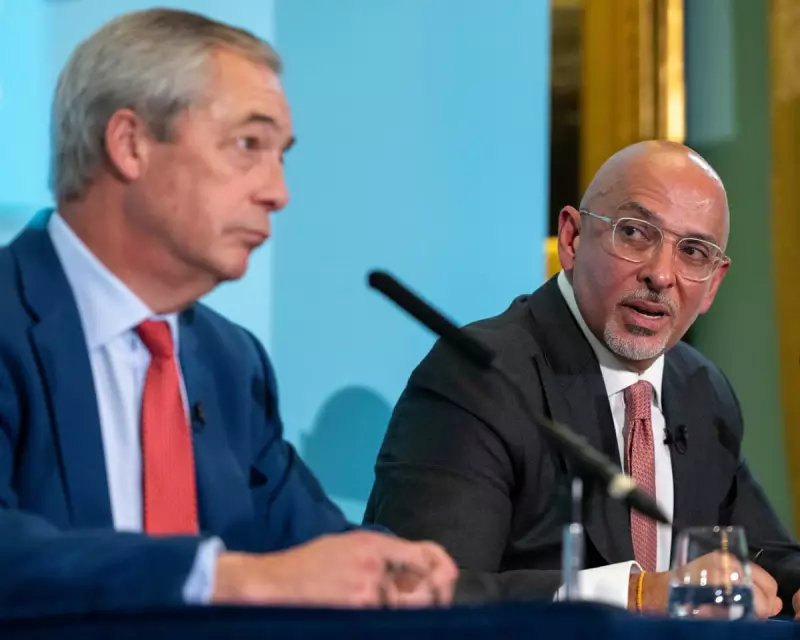
At a press conference in Westminster on Monday, flanked by Nigel Farage, Zahawi faced repeated questions about his stance on vaccine-sceptic views held by prominent figures within Reform. The former vaccines minister, who oversaw the national rollout during the pandemic, grew visibly angry when asked if he rejected the claims of a doctor who spoke at the party's conference. This doctor, Aseem Malhotra, had suggested Covid vaccines were linked to cancers in King Charles and the Princess of Wales.
"That was a really stupid question and it doesn't even deserve an answer," Zahawi told a Daily Telegraph journalist, repeating the sentiment to another reporter. Despite his defence, his recruitment has caused significant disquiet among the party's grassroots membership, for whom opposition to the vaccine programme has become a core belief.

Member Backlash and Islamophobic Undertones
Away from the plush Westminster venue, Reform's private online forums erupted. In Facebook groups with tens of thousands of members, a small but vocal contingent announced they were resigning their memberships in protest. The backlash was compounded by a strand of Islamophobia, with some members framing Zahawi's defection—following that of London mayoral candidate Laila Cunningham and the prominent role of policy head Zia Yusuf—as part of a "Muslim takeover."
Comments on a private group with 135,000 members included one stating: "Another ex-Tory and another Muslim and another that pushed the vaccine, sorry to say but Reform are losing my support rapidly." Others cited personal grievances, with one member referencing a "badly disabled son caused by jab pushed by him."
A Party at Odds with Its Own Leadership
The rift over vaccines is not new but has been brought to a head by Zahawi's arrival. While Farage initially offered qualified support for vaccines, he later adopted a more sceptical stance and has criticised the World Health Organization. Party chair Richard Tice has long expressed doubts about vaccine safety and necessity. Last month, it was revealed that a third of Reform's council leaders have voiced vaccine-sceptic views.
The issue reached a nadir when Malhotra, described by Reform's deputy leader David Bull as having helped write party health policy, was given top billing at its conference. However, Zahawi's recruitment signals a potential shift. He refused to say if he had received assurances on vaccine policy but stated he would not have joined if he and Farage did not agree "we did the right thing to get the vaccine programme to the nation."
Contrasting views were evident elsewhere. Bull, under pressure from angry TalkTV callers, stressed that "Nadhim doesn't have a formal role" and that the leadership's stance against compulsory vaccines remained unchanged. Meanwhile, another recent defector, Dr Chandra Kanneganti, a respected GP and former British Medical Association policy lead, said he would push for evidence-based health policies within Reform, directly countering figures like Malhotra.
"All the scientific evidence shows that getting vaccinated is much, much safer than not getting vaccinated," Kanneganti told the Guardian, highlighting the internal policy battle that now lies ahead for Reform UK as it attempts to reconcile its leadership's new direction with the deeply held convictions of its base.