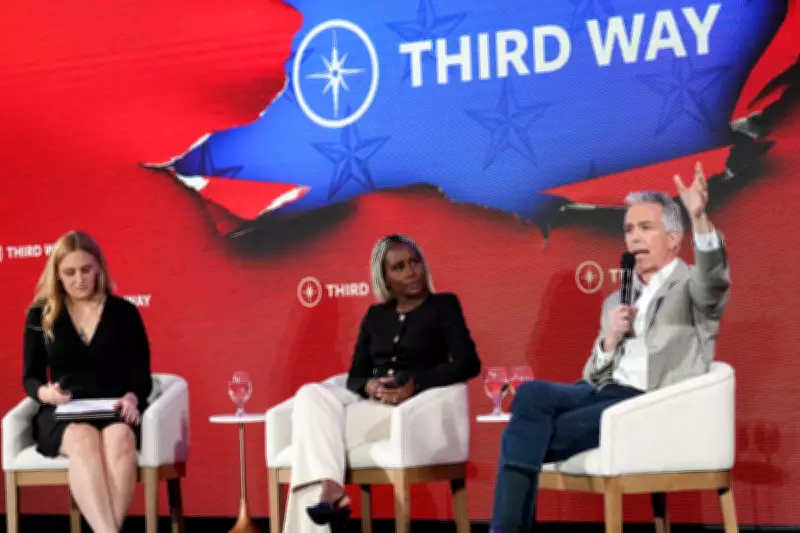
Third Way Democrats Confront Electoral Headwinds Amid Party Evolution
The moderate faction of the Democratic Party, known as the Third Way, is encountering significant electoral challenges as the party's ideological composition continues to shift. This development has sparked intense discussions about the future role of centrist Democrats in upcoming elections, with analysts pointing to a growing divide between progressive and traditional wings.
Navigating a Changing Political Landscape
Third Way Democrats, who have historically advocated for pragmatic, market-friendly policies, are now facing increased scrutiny from both within and outside the party. The rise of more progressive voices has placed pressure on moderates to adapt their platforms, leading to strategic recalibrations ahead of key electoral contests. This dynamic is particularly evident in swing districts where voter sentiment is increasingly polarized.
Electoral data suggests that Third Way candidates are struggling to maintain their foothold in some regions, as grassroots movements push for bolder policy agendas. The faction's emphasis on fiscal responsibility and bipartisan cooperation is being tested by demands for sweeping reforms on issues such as healthcare and climate change.

Implications for Democratic Strategy
The challenges facing Third Way Democrats have profound implications for the party's overall electoral strategy. Party leaders are grappling with how to balance the need for broad appeal with the energy of progressive activists. Some strategists argue that a cohesive message is essential to avoid alienating moderate voters, while others contend that embracing more left-leaning policies could mobilize a larger base.
In recent months, internal debates have intensified, with Third Way figures calling for a renewed focus on economic issues that resonate with middle-class Americans. However, this approach has met resistance from progressives who prioritize social justice and environmental initiatives. The outcome of these discussions will likely shape candidate selection and campaign tactics in the coming election cycles.
Looking Ahead to Future Elections
As the Democratic Party prepares for future elections, the role of the Third Way faction remains uncertain. Electoral trends indicate that moderate Democrats may need to forge new alliances or redefine their core principles to remain competitive. The faction's ability to influence policy and win elections will depend on its capacity to navigate the evolving political terrain.
Observers note that Third Way Democrats have historically played a crucial role in expanding the party's appeal, but current dynamics suggest a potential realignment. The upcoming elections will serve as a critical test of whether moderate voices can retain their influence or if the party will continue its drift toward more progressive positions.