One Nation Leader Pauline Hanson Sounds Alarm on Australian Political System
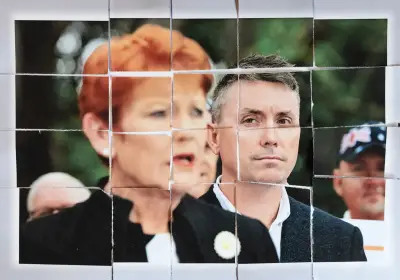
Pauline Hanson, the controversial leader of the One Nation party, has issued a stark warning about the current state of Australian politics, expressing deep concerns over what she describes as a system in crisis. In a recent statement, Hanson emphasized that public trust in political institutions is eroding rapidly, with many Australians feeling disconnected from their elected representatives.
Growing Discontent and Calls for Reform
Hanson highlighted that widespread dissatisfaction with mainstream political parties is fueling a sense of disillusionment among voters. She pointed to issues such as economic instability, immigration policies, and perceived government overreach as key factors driving this discontent. According to Hanson, One Nation is witnessing a surge in support from citizens who feel their voices are not being heard in Canberra.
The warning comes at a critical juncture for Australian politics, with recent polls indicating shifting voter allegiances and increased volatility in electoral outcomes. Hanson argued that traditional political frameworks are failing to address the pressing needs of ordinary Australians, particularly in regional and rural areas where economic challenges are most acute.

One Nation's Political Strategy and Future Outlook
In response to these concerns, Hanson outlined One Nation's commitment to advocating for substantial political reforms. These include greater transparency in government decision-making, stronger border controls, and policies aimed at revitalizing domestic industries. She stressed that the party's message resonates with those who believe the political establishment has lost touch with grassroots issues.
The warning from Hanson underscores broader tensions within Australian democracy, as populist movements gain traction amid global political uncertainties. Analysts note that One Nation's influence, while concentrated in specific constituencies, reflects a larger trend of anti-establishment sentiment that could reshape the political landscape in upcoming elections.
As the debate intensifies, Hanson's remarks serve as a reminder of the challenges facing Australian governance. Whether this warning will spur meaningful change or further polarize the electorate remains to be seen, but it undoubtedly adds a new dimension to the ongoing discourse on the future of politics in Australia.