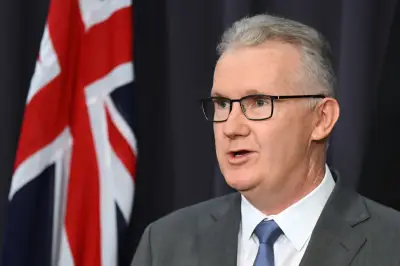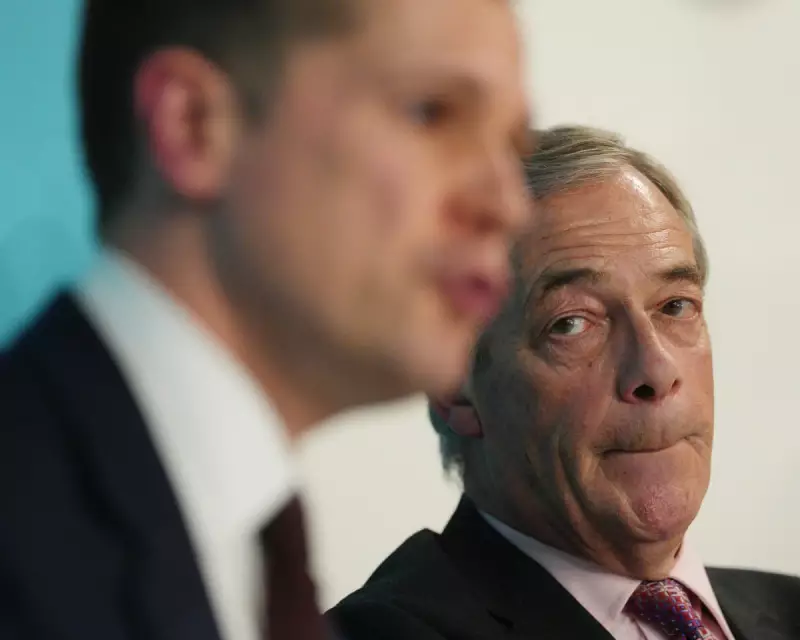
In a dramatic political move that has sent shockwaves through Westminster, former Conservative minister Robert Jenrick has defected to Nigel Farage's Reform UK. The announcement was made at a press conference in London on 15 January 2026, with Farage himself looking on.
A Growing Collection of Defectors
The defection marks another significant scalp for Reform UK, as it continues to attract disaffected figures from the Conservative Party. Observers have noted a pattern emerging, with Farage seemingly assembling a collection of former Tory ministers. Critics have likened the process to building a cabinet of political relics, questioning the long-term role of these defectors beyond the initial publicity splash.
Jenrick's switch is particularly notable given the recent history between the two men. Only a short time before the defection, Farage had publicly labelled Jenrick "a fraud". This rapid shift from critic to ally underscores the volatile and transactional nature of the current political landscape on the right.

Conservative Fury and 'Double-Agent' Theories
The Conservative reaction has been one of anger and strategic spin. Senior figures, including Kemi Badenoch, were reportedly informed by a party mole of Jenrick's imminent departure. Badenoch was said to be furious that Jenrick had attended a shadow cabinet meeting shortly beforehand, "behaving as if nothing was going on".
Some within Conservative circles have been keen to frame the defection as a potential double-agent operation, suggesting Jenrick's move might be a deep-cover plot. However, the more immediate impact is a palpable sense of crisis and infighting spilling into public view.
The 'Unichaos' and Public Discontent
Farage has long railed against the "uniparty" – his term for the perceived consensus between the Conservative and Labour parties. Yet, Jenrick's defection risks creating a sense of "unichaos," where Reform itself becomes part of a sprawling, dysfunctional political scene.
This political theatre unfolds against a backdrop of deep public frustration with systemic failures. The article highlights the ongoing crisis with South East Water, where thousands of households have been without water for a week following repeated outages. The revelation that the government would need to give 25 years' notice to terminate the company's licence exemplifies the kind of institutional paralysis driving voters towards alternatives like Reform.
While Farage capitalises on this anger, positioning himself as the prophet of a post-"May 7th catastrophe" political reality, serious questions remain. Analysts question whether his movement possesses a credible plan to fix the broken systems it criticises, or if it is merely adept at harnessing discontent for electoral gain.
The defection of Robert Jenrick is more than a personnel change; it is a symptom of a fragmenting political right and a disillusioned electorate. As both major parties and their challengers manoeuvre, the only certainty appears to be more turbulence ahead.