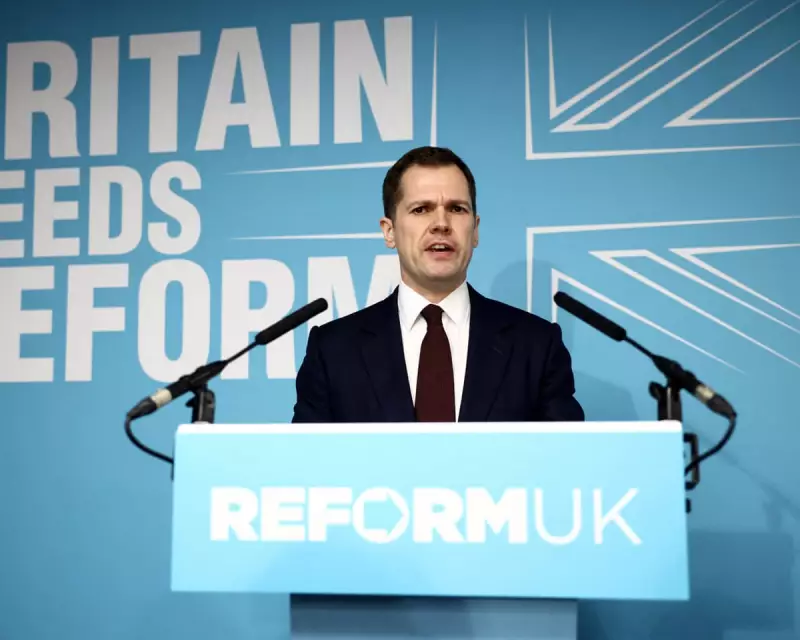
In a dramatic political earthquake, former Conservative shadow justice secretary Robert Jenrick has defected to Nigel Farage's Reform UK, delivering a devastating blow to Prime Minister Kemi Badenoch and branding his former party as "rotten" and "failed".
A Day of Political Chaos and Defection
The saga unfolded with startling speed on Thursday. Senior figures in Kemi Badenoch's office were sent a draft of Jenrick's resignation speech and a media plan, which urged other Tories to defect and criticised key shadow cabinet members. Badenoch moved decisively, releasing a video statement just after 11am announcing Jenrick's dismissal from the shadow cabinet, the removal of the party whip, and his suspension.
This pre-emptive strike was timed to coincide with a Nigel Farage press conference in Scotland, forcing the Reform leader to respond in real time. Farage initially denied any deal was in place, accusing Badenoch of panicking. However, by mid-afternoon, Jenrick appeared alongside Farage at Millbank Tower, confirming his defection after a delayed arrival caused by getting lost in the building's corridors.

Jenrick's Scathing Critique and Farage's Prize
Addressing the media, Jenrick, who served as a minister under four prime ministers, did not hold back. He declared that the Conservatives in Westminster "aren't sorry, they don't get it, they haven't changed, they won't change, they can't change." He argued that both Labour and the Conservatives had "broken Britain" and were committed to failed ideas.
He insisted his move was not about personal ambition, stating, "No one joins Reform unless they believe Nigel Farage is the best person to lead this country." For Farage, Jenrick represents the highest-profile Tory defection to date, a crucial step in transforming Reform from a protest movement into a credible, election-ready machine.
Strategic Fallout for Badenoch and the Conservatives
Initially, Badenoch's swift action was seen as a display of decisive leadership, a rare head-on challenge to Reform. However, the defection of a figure of Jenrick's stature—a former leadership contender and senior minister—exposes the deep fractures and hollowing-out within the Conservative Party.
Badenoch later framed the defection as evidence that people who entered politics for the "wrong reasons" were leaving. "Robert Jenrick is not my problem any more. He's Nigel Farage's problem now," she stated. Yet, the event has heightened anxieties about further defections, with names like Suella Braverman and Jacob Rees-Mogg being speculated upon.
For Labour leader Keir Starmer, the episode highlighted Badenoch's tolerance of Jenrick's "toxic" politics for months, a reference to his controversial comments about a Birmingham visit in October.
The Road Ahead for Reform and a Weakened Tory Party
Farage's strategy appears clear: recruiting established former ministers like Jenrick helps reassure voters who agree with Reform on issues like immigration but worry about the party's competence and economic credibility. It is an attempt to shed the image of a party of "fruitcakes and loonies" and present a government-in-waiting.
Farage did, however, draw a line, stating that after the 7 May local elections, Reform would reject further Tory defectors and that the Conservative Party would cease to be a national party.
The immediate future for Jenrick likely involves a frontbench role in Reform, potentially in economic policy, though this could cause tensions with existing senior figures like deputy leader Richard Tice. Ultimately, Thursday's chaos underscores the profound instability on the British right. The coming weeks will test whether Reform can convert defections into lasting credibility and whether the Conservatives can stem the bleeding that made this dramatic defection possible.