International Women's Day: A Battle Between Commercialization and Rising Threats
International Women's Day, observed recently, has become a focal point for both celebration and controversy. While many companies eagerly capitalize on the occasion through marketing campaigns targeting women with products like plants, clothes, and spices, the deeper issues of misogyny and Christian nationalism demand urgent attention. This commercialization often overshadows the day's original purpose, raising questions about whether such efforts truly empower women or merely exploit their identities for profit.
The Feminist Sermon: A Christian Perspective on Women
In a unique twist, a feminist sermon delivered on the eve of International Women's Day explored biblical narratives where women are frequently unnamed. The Rev Marcus Green highlighted the story of a Samaritan woman, an early evangelist with five former husbands, who encountered Jesus. Despite the lack of logical sense in some feminist interpretations, the message emphasized love and acceptance, serving as a poignant interruption to the usual drumbeat of societal issues. This sermon underscored how religious texts can be reinterpreted to address gender inequality, reminding everyone that these discussions are now relevant to all, regardless of personal beliefs.
Global Backdrop: Misogyny and Christian Nationalism Converge
The global context for this year's International Women's Day is alarming, with misogyny, Christian nationalism, and white supremacism intertwining to create disturbing narratives. In the United States, figures like ultra-conservative Christian secretary of war Pete Hegseth have promoted ideas such as "household voting," where married women would submit to their husbands. Meanwhile, influencer Nick Fuentes has advocated for extreme measures like "breeding gulags" for women, suggesting imprisonment and conditional release. These developments raise critical questions about the connections between disenfranchisement and potential incarceration of women, highlighting a dangerous trend in fascist movement-building.

Through Lines and Generational Shifts
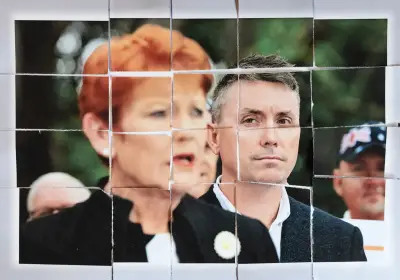
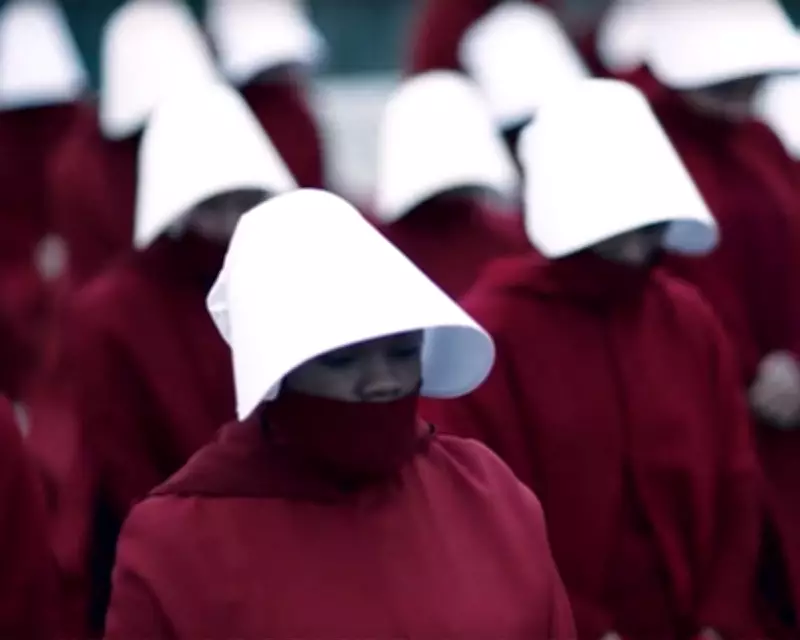
Is there a coherent link from proponents of traditional gender roles to advocates of extreme measures? This question becomes more pressing as surveys reveal that Generation Z men in countries like the UK, US, Brazil, Australia, and India are twice as likely as baby boomers to believe a wife should always obey her husband. Such trends, coupled with rhetoric from figures like Reform candidate Matt Goodwin on women's childbearing ages, suggest a resurgence of birthrate anxieties and great replacement theory. The specter of a "Handmaid's Tale" future, where electoral losers pontificate on strangers' fertility, looms large, making these issues a global concern beyond national borders.
Ultimately, International Women's Day serves as a reminder that while commercialization may dilute its message, the fight against misogyny and oppressive ideologies requires collective vigilance and action from all sectors of society.