Green Party Leader Calls for Economic Shift from GDP to Wellbeing Focus
In a landmark economic speech, Zack Polanski, the leader of the Green Party in England and Wales, has declared that a government under his leadership would abandon traditional GDP growth targets in favour of prioritising people's mental health, social cohesion, and community welfare. Delivering his first major policy address since assuming leadership six months ago, Polanski condemned what he termed "rip-off Britain," where asset owners profit while many struggle with unaffordable housing and basic necessities.
Critiquing GDP as a Flawed Measure
During a post-speech press conference, Polanski argued that focusing on economic growth is misguided. "Actually, I'm much more interested in growing people's mental health, growing our public services, growing cohesion in our communities," he stated. He highlighted the absurdity of GDP metrics, using the example of water companies pumping sewage and then paying for cleanup, which technically boosts GDP but harms society. Polanski emphasised that such outcomes reveal the perverse incentives created by a narrow growth focus.
Proposing Mission-Based Policies
Instead of GDP targets, Polanski advocated for governments to build policies around broader missions, such as tackling the climate crisis or reducing gender inequality, where economic growth could emerge as a byproduct. "Your missions should be cross-cutting across all sectors, rather than being a mission that's about economic growth that can become arbitrary and then can result in perverse means to try and get to that end," he explained. He stressed that the primary goal should be improving lives and ensuring communities have more financial security.

Addressing Economic Injustices and Specific Policies
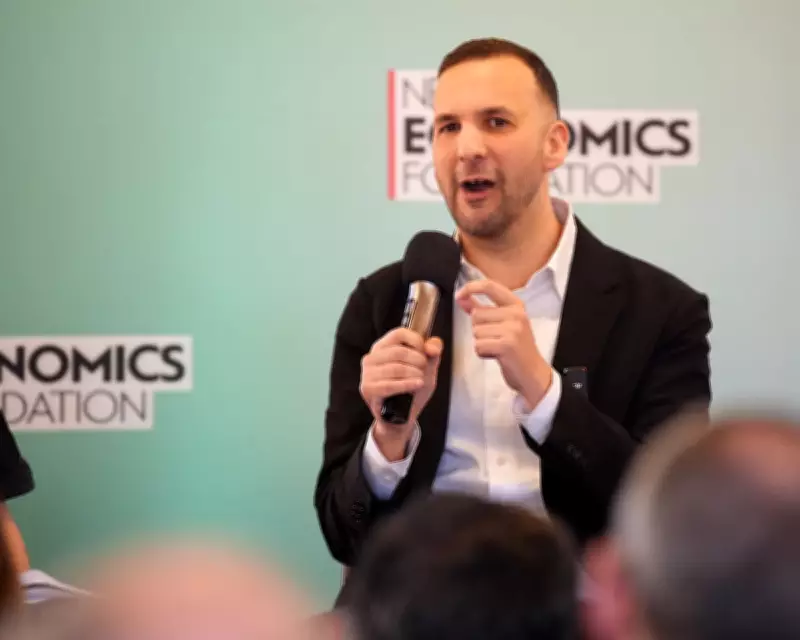
Speaking at a community garden event organised by the New Economics Foundation thinktank in north London, Polanski painted a bleak picture of the UK economy, citing stagnant wages since 2008, rising unemployment, and a high number of young people out of work. He blamed privatisation of social housing and utilities, followed by austerity, for creating an unjust landscape. In response, he outlined the Green Party's economic policy based on three key questions: making life more affordable, supporting the caring majority over the wealthy elite, and protecting the planet for future generations.
On specific measures, Polanski reiterated calls for a wealth tax, rent controls, renationalisation of the water industry, and a mass home insulation programme. When questioned about funding, he suggested rethinking economic rules to exit the "bond market doom loop," involving borrowing for investment and potentially quantitative easing. "Ultimately, I'm a pragmatist. I'm not an ideologue, so I'm interested in anything that works," he added, emphasising a flexible approach to economic solutions.