The Green Party's Dangerous Ascent in British Politics
For years, the Green Party occupied the political fringe, dismissed as the preserve of middle-class virtue-signalers and rebellious students. Their presence in Brighton with multiple recycling bins and vegan initiatives seemed harmless enough within Britain's traditional two-party system. However, recent polling data reveals a dramatic shift that demands serious attention from all political observers.
Polling Numbers Tell a Concerning Story
A recent YouGov poll placed the Greens at 21 percent support across all age brackets, having surpassed Labour and sitting just two points behind Reform UK. More alarmingly, the Greens now lead as the most popular party among all voters under 50 years old. Nearly half of 18- to 24-year-olds would support the Greens, along with over a quarter of 25- to 49-year-olds. This represents a fundamental change in how voters perceive the party—no longer a protest vote but a serious political option.
The Gorton and Denton By-Election Success
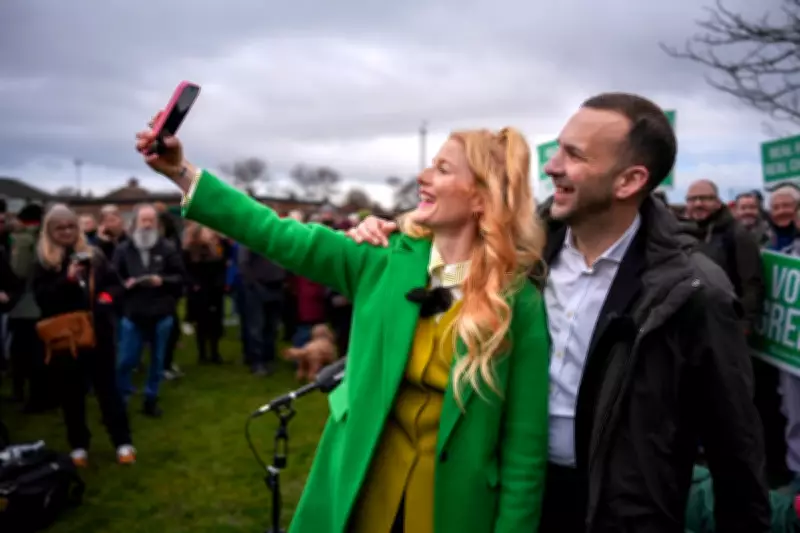
The recent Gorton and Denton by-election on February 26, 2026, demonstrated the Greens' growing appeal. Hannah Spencer, a 34-year-old professional plumber and Trafford Council leader, successfully positioned herself as the working-class alternative with her "Hope v Hate" campaign. By framing the contest as a two-horse race between the Greens and Reform UK, Spencer appealed to voters seeking alternatives to traditional parties.

Green Party leader Zack Polanski's party now stands a realistic chance of winning dozens of parliamentary seats and potentially holding the balance of power in future governments. This electoral success comes despite—or perhaps because of—their controversial policy platform that could fundamentally reshape Britain's economic landscape.
Housing Policies That Would Worsen the Crisis
Britain already faces a severe housing crisis with a deficit of approximately 6.5 million homes. The Green Party's proposed policies would exacerbate this situation dramatically. Their platform includes implementing rent controls—a measure that has failed in every city and country where it has been attempted. They propose spreading small developments across local authorities rather than allowing necessary urban densification.
Additional problematic housing policies include ending the Right to Buy program, which would eliminate home ownership opportunities for lower-income families, and imposing even more stringent environmental standards that would increase construction costs and delays. These measures collectively would further constrain housing supply while increasing costs for both renters and buyers.
Economically Illiterate Policy Proposals
The Green Party's 2024 manifesto reveals a pattern of economic policies that experts describe as fundamentally flawed. Their proposal to nationalize the water industry, supposedly to address the cost of living crisis, would actually require taxpayers to fund billions in infrastructure improvements—having precisely the opposite effect of reducing living costs.
Even more concerning is their wealth tax proposal: one percent annually on assets over £10 million and two percent on assets over £1 billion. This policy would likely drive away Britain's wealth creators, investors, and innovators, potentially collapsing the tax base it aims to exploit. A typo in their manifesto website accidentally revealed the potential consequences, suggesting the changes might raise only "£50" rather than the intended "£50 to £70 billion."
Radical Social and Economic Restructuring
The Green platform extends beyond traditional environmental concerns into radical social engineering. They propose legalizing heroin while banning smoking, implementing open borders, increasing welfare payments by five percent immediately, and reforming Personal Independence Payment eligibility tests to expand access.
Their economic restructuring includes imposing a maximum 10:1 pay ratio across both public and private sectors and spending £50 billion retrofitting homes to eliminate fossil fuel use. This ambitious spending plan presumably relies on revenue from wealthy individuals who, in reality, would likely relocate their assets and themselves abroad in response to such policies.

A Warning About Political Branding Versus Reality
The Green Party has benefited from exceptionally effective political branding that portrays them as environmentally conscious progressives. However, policy experts warn that their actual platform represents something far more dangerous. Rather than being harmless tree-huggers, the Greens advocate policies that could cripple Britain's already struggling economy, worsen the housing crisis, and drive away investment and innovation.
As the party gains mainstream acceptance and electoral viability, voters must look beyond the appealing branding to examine the potentially devastating consequences of their policy proposals. The choice is no longer between environmental consciousness and business as usual, but between economic stability and policies that could make Britain's most pressing problems significantly worse.