Nigel Farage's Cameo Side Hustle Exposes Deep Ties to Online Far-Right Rhetoric
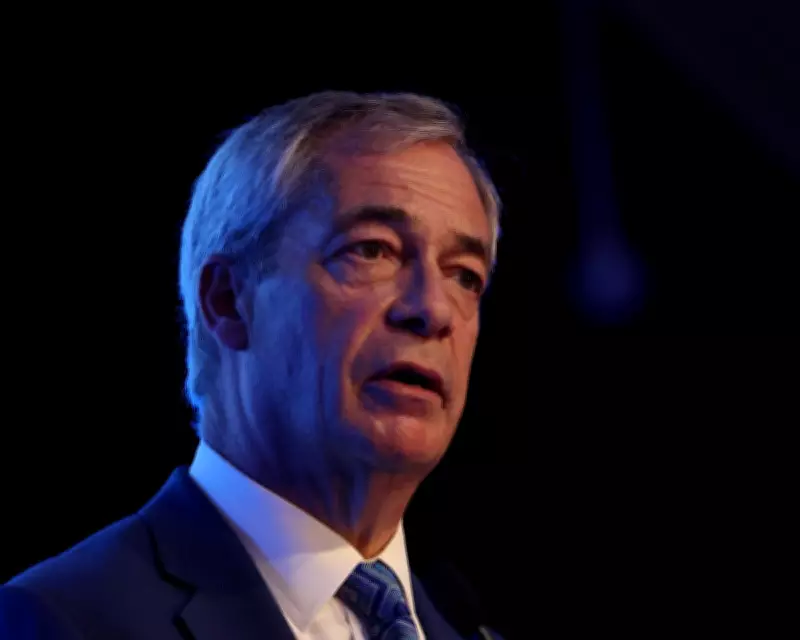
Nigel Farage, the leader of Reform UK, has spent the past five years dramatically reshaping British politics, breaking the traditional two-party dominance in parliament. Simultaneously, he has reportedly been sending multiple Cameo videos daily to paying customers, amassing a total of £374,893 in earnings. However, this lucrative side venture is far from separate from his political endeavors. In the modern era, posting is inherently political, a fact Farage himself boasts about by claiming to outperform other MPs on platforms like TikTok.
The Public Nature of Personalised Messages
Cameo videos are personalised messages, but they are not private. Customers receive shareable links, allowing them to post birthday wishes or anniversary greetings on social media. When Farage sent videos to a neo-Nazi group for publicity or used language reminiscent of Pornhub categories to describe Alexandria Ocasio-Cortez, he was effectively making public statements. His team defends these actions by arguing he cannot be held responsible for how recipients use his messages, a rationale that explains why most politicians avoid selling personal endorsements online.
A spokesperson for Farage stated that his Cameo videos "should not be treated as political statements or campaign activity." Yet, these recordings offer a rare glimpse into how Farage communicates with supporters outside formal media settings. He skillfully taps into online meme culture, leveraging its energy to boost his popularity.

Memes and Extremist References in Farage's Videos
In several videos, Farage references "Big Chungus," a meme based on an image of Bugs Bunny gaining weight to mock Elmer Fudd. While seemingly nonsensical, the far-right on platforms like 4chan often attaches this meme to extreme political slogans. By singing "Rule Big Chungus, Big Chungus rules the waves," Farage actively participates in this subculture. He has claimed ignorance about controversial content, citing the obscurity of meme culture, but this does not explain his own TikTok video teasing an announcement about whether he is "Big Chungus."
Other references are more sinister. In a video from last summer, Farage told a supporter that "Ngubu" sends his regards. "Ngubu" is an online racial slur used as a generic surname for stereotypical African footballers, and there is even a racist memecoin with this name. In the same video, Farage repeated the slogan "Up the Rhodesia," a play on the phrase "Up the Ra" that he has previously faced criticism for using. Rhodesia has been a white-nationalist reference point for decades, symbolizing a lost white ethnostate, and its imagery is popular among right-wing militias today.
Connecting the Dots to a Broader Worldview
When viewed alongside Farage's alleged history of racist bullying, Reform UK's proposals to end indefinite leave for immigrants, and plans to create a British version of ICE, these Cameo videos reveal a coherent worldview. Farage's engagement with memes should not distract from his serious political intentions. He adeptly uses digital culture to fuel his appeal, mirroring trends in the US where online chaos often accompanies authoritarian governance.
As Robert Topinka, a reader in digital media at Birkbeck, University of London, notes, this investigation underscores how Farage's online activities are integral to his political strategy, blending entertainment with extremist undertones to shape public discourse.