In the wake of a devastating 2024 election defeat, the Democratic Party in the United States embarked on a period of intense soul-searching. While analysts debated a cocktail of reasons from inflation to foreign policy, one diagnosis gained striking consensus: the left had been decisively drowned out online by the vast, well-funded digital army of the right.
The Wake-Up Call and the Chaotic Era
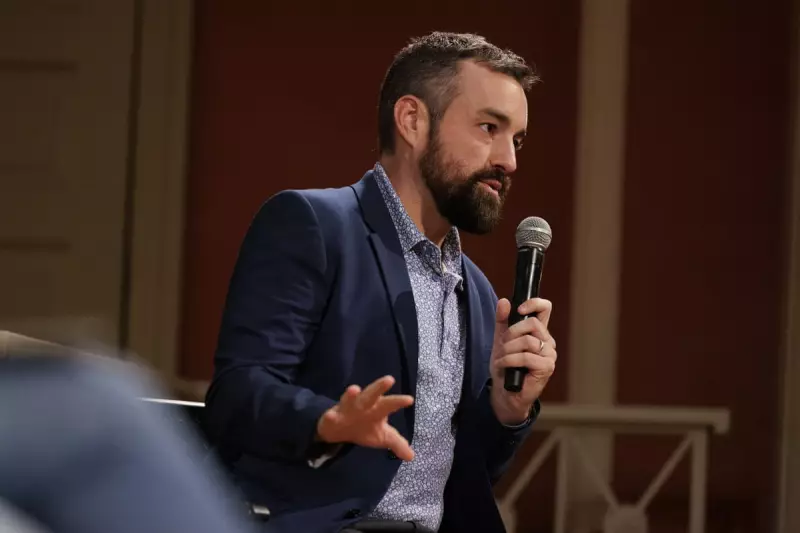
This digital reckoning is being chronicled by Kyle Tharp, a progressive writer and researcher who launched the Chaotic Era newsletter in January 2025. Tharp, who previously worked for progressive media organisation Courier, was shocked by the 2024 results. He felt the traditional political press was missing the powerful new forces shaping elections. "I thought this year would be especially chaotic," Tharp noted, "but I have been really surprised at how the news cycle has just been relentless all year long."
Since the loss, Democrats have moved with urgency to correct course, flooding onto platforms like TikTok and pitching liberal donors to fund a rival media ecosystem. Tharp has tracked this surge closely, mapping the rise of left-leaning creators and the narratives breaking through the digital noise.

Three Pillars of Democratic Progress
According to Tharp's analysis, Democrats have made headway in three key areas over the past year.
Firstly, they have embraced long-form audio and video. A major lesson from 2024 was Donald Trump's dominance on podcasts. The clichéd call for "Democrats to build their own Joe Rogan" has been heeded. Figures like California Representative Ro Khanna, Connecticut Senator Chris Murphy, former Transportation Secretary Pete Buttigieg, and Governors Gavin Newsom and JB Pritzker have collectively given hundreds of podcast interviews this year, appearing on shows from pro-Democrat outlets like MeidasTouch to conservative programmes.
Secondly, a new progressive media ecosystem is emerging. Entrepreneurs are pitching major donors to build partisan media brands to counter Fox News, the Daily Wire, and others. Some, like the Bulwark and Zeteo, have grown via grassroots subscriptions, while others have exploded on social media. "There's now a whole new bench of creators and progressive media brands," Tharp observes, "and that's going to pay dividends for years to come."
Thirdly, creator marketing is now standard. Major Democratic campaigns now routinely integrate paid social media creator engagements into their strategy. It's no longer just about TV ads and mail; engaging with influencers who command large audiences is part of the essential media mix.
The Persistent Conservative Advantage
Despite this progress, Tharp warns that Republicans retain a decisive structural advantage. The conservative media infrastructure, from the Daily Caller to Breitbart, was built over a decade ago during the Obama era. These organisations have spent years cultivating influencers like Candace Owens and Ben Shapiro, who now spin off their own outlets.
"That 10- to 20-year head start has really hurt liberal efforts," Tharp states. The funding disparity is stark: conservative philanthropy has poured hundreds of millions into groups like Turning Point USA and PragerU, which alone has an annual budget of $70 million. There is no equivalent on the left. Furthermore, conservative content often thrives on a counter-cultural, "rage-bait" style that drives rapid growth.
Some Democrats are learning to fight fire with fire. MeidasTouch has used click-bait, all-caps graphics, and outrage-driven content to add millions of YouTube subscribers and even top podcast charts. Politicians like Gavin Newsom have also grown by adopting a more aggressive, authentic online posture that resonates with a base eager to confront Trump.
Finding the Right Message in a Fractured Landscape
Digital strategy has shown tangible results. Tharp points to Newsom's successful California ballot measure campaign, which leveraged influencers, podcast appearances, and party messengers like Alexandria Ocasio-Cortez. Similarly, Zohran Mamdani's New York campaign demonstrated the power of high-volume, intense content tailored to the right candidate.

However, reaching a digitally fragmented audience requires a multifaceted approach. A politician like Newsom might appear on the MeidasTouch podcast to reach older, male donors, then do a TikTok interview to engage Gen Z women. This expansion of reach has seen more Democrats willing to appear on hostile or right-wing platforms to broaden their tent.
The critical challenge now, Tharp argues, is moving beyond tactics to message. "Democrats have really tried to tread water as the anti-Trump party for many years... they're starting to understand the style, but they need to have a little bit more substance," he concludes. They must prove they can govern with comprehensive policy.
Tharp's biggest takeaway is that Democrats have had a crucial year of learning and investment in the new media landscape. The task for 2025 and beyond is to continue this rapid growth. For the left to truly compete, its donors must start matching the right's serious, long-term financial commitment to building a dominant media ecosystem.