A powerful US surveillance law is on the brink of expiration as Congress fails to reach an agreement on its reauthorization, sparking debates over civil liberties and national security. The controversy has been amplified by Donald Trump's attempt to install a controversial ally as the country's top intelligence official.
The Impending Expiration of Section 702
A key provision of the Foreign Intelligence Surveillance Act (FISA), known as Section 702, is set to expire on Friday night. This comes amid backlash to Trump's announcement that Bill Pulte, head of the Federal Housing Finance Agency and a major Republican donor, would serve as acting Director of National Intelligence (DNI). While Trump has since nominated Jay Clayton for the permanent role, Congress has failed to extend the surveillance program in time.
Background on Section 702
Enacted in 2008, Section 702 allows national security agencies to collect texts and emails from foreigners living outside the US without a warrant. However, communications of Americans in contact with these targets can also be swept up, raising privacy concerns. Privacy advocates argue this loophole enables unconstitutional warrantless surveillance of Americans, while intelligence agencies maintain it is essential for preventing terror attacks.
Political Stalemate and Reform Efforts
Congress has only managed short-term reauthorizations this year. Efforts by Trump and House Republican leaders to pass longer extensions without key reforms have failed. A coalition of progressive Democrats and far-right Republicans demands a warrant requirement for surveilling Americans' communications. In April, the original expiry date was punted to June 12 after negotiations stalled.
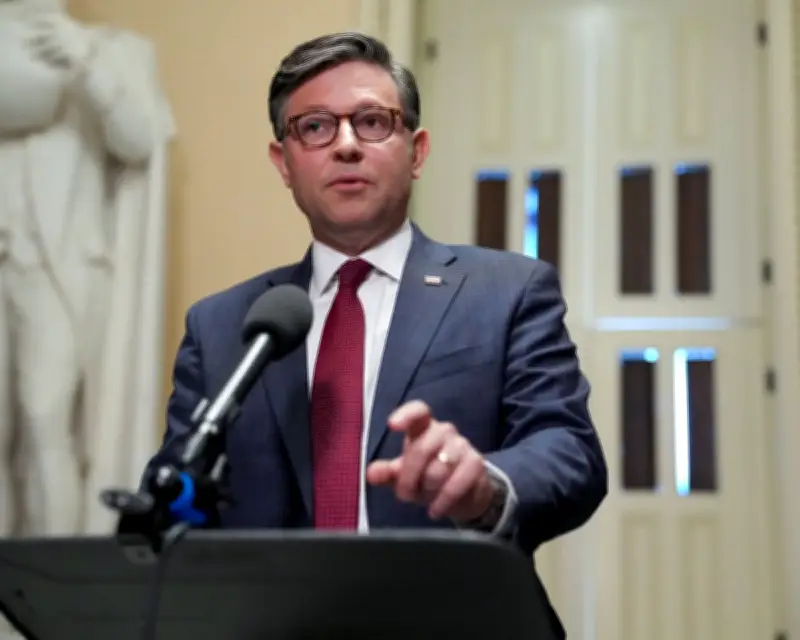
"We've reached a point where we're kicking the can," said Jake Laperruque of the Center for Democracy and Technology. "It's time to let these reform bills have a chance." House Speaker Mike Johnson has been criticized for refusing to allow a vote on a warrant requirement, which privacy advocates believe now has sufficient support following a 212-212 tie on a similar amendment in 2024.
Implications and Next Steps
Despite the statutory lapse, government surveillance under Section 702 can continue through March 2027 due to year-long certifications approved by a special federal court. Some lawmakers fear the program "going dark," but privacy advocates dismiss this as a scare tactic. Johnson expressed frustration after Thursday's failed House vote, calling the situation "shameful" and "dangerous." The House has adjourned until June 23, two weeks after the deadline, leading critics to question the urgency of the national security threat.