
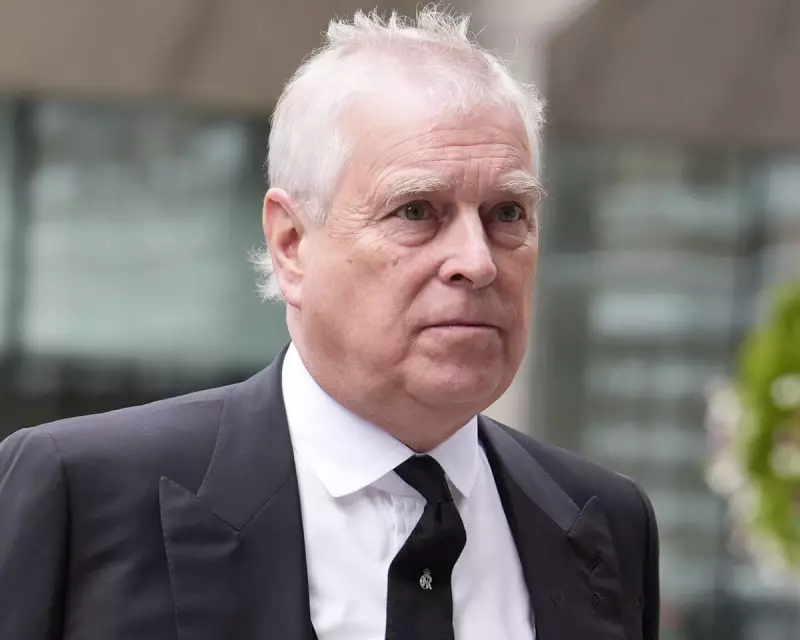
The Cabinet Office is facing serious allegations of covering up for the royal family after it blocked the release of historical documents concerning Prince Andrew's official travels at the eleventh hour.
Last-Minute Withdrawal Sparks Cover-Up Claims
Files due for public release at the National Archives this week included a tranche of sensitive material. Among them were minutes from 2004 and 2005 detailing discussions about royal visits and the travel expenses of the then Duke of York, who served as a UK trade envoy. These documents were made available to journalists under embargo but were suddenly withdrawn before the official publication date.
The Cabinet Office cited an "administrative error" for the retraction, claiming the files were never meant to be released. However, journalists who had already reviewed the material before it was pulled described the contents as largely unremarkable.
The withheld minutes reportedly included a note about a rule change that would see the cost of Prince Andrew's overseas trips funded by the Royal Travel Office instead of the former Department of Trade and Industry. This shift was said to add around £90,000 to the royal travel budget. The discussed visits were to destinations including China, Russia, Spain, and parts of south-east Asia.
A Pattern of Royal Secrecy
This incident has highlighted the routine practice of withholding files related to the monarchy under the Public Records Act. Graham Smith, chief executive of the anti-monarchy campaign group Republic, was scathing in his criticism. "The most likely reason for this attempt to stop disclosure is pressure from the palace," he stated. "The royals have sought to keep everything under wraps when it comes to Andrew, not to protect him but to protect themselves."
He argued forcefully that there should be no special exemption for the royal family when it comes to public transparency.
Other Revelations from the Archives
While the Andrew files were withheld, other historically significant documents were released. These included previously disclosed papers related to the 1997 death and funeral arrangements of Diana, Princess of Wales. This batch contained a vivid account of events from the then UK ambassador to France, Sir Michael Jay.
However, the files also show that in 2005, Downing Street refused to release details of a conversation between Prime Minister Tony Blair and French President Jacques Chirac following the Paris car crash. Officials claimed such discussions were "confidential" and "fundamentally not in the public interest." The documents note it took several hours for Chirac's aides to locate and inform him of the tragedy, which sparked intense speculation about his whereabouts at the time.
In a lighter, yet revealing, episode from the released files, Number 10 was forced to issue a grovelling apology in 1994. The Queen Mother's private secretary, Captain Sir Alastair Aird, complained that a birthday telegram from Prime Minister John Major had been "incorrectly addressed."
Roderic Lyne from the Prime Minister's private office wrote back, apologising profusely but deflecting blame onto British Telecom for the addressing error. "I am so sorry that this happened. Our own staff are sticklers for the correct form, as you would imagine," he wrote. Despite the diplomatic fuss, the Queen Mother herself appeared unbothered, sending her own telegram to thank Major and his wife Norma for their "kind message of good wishes."
This latest controversy reinforces ongoing concerns about the transparency of historical government records pertaining to the monarchy and raises fresh questions about the boundaries of the so-called "royal veil of secrecy."




