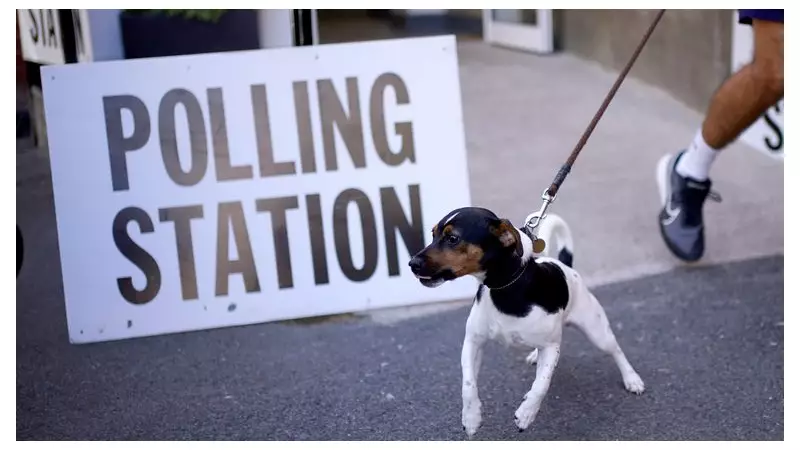
More than a third of the councils offered a postponement for their May elections have formally requested a delay, according to a new Sky News analysis. The move, driven by the cost and logistical demands of a major government restructuring programme, has sparked significant political controversy.
Which Councils Are Seeking a Postponement?
Out of the 63 local authorities initially offered the option by the government, 25 have confirmed to Sky News they have written to request a one-year delay. The deadline for these requests passed at midnight on Thursday, 15 January 2026.
A breakdown of the political leadership of those councils shows a significant majority are under Labour control. Nineteen of the 25 are led by Labour, either with a majority or as the lead party in a coalition. The remaining councils include two Conservative-led, two Liberal Democrat, one Green, and one independent.
Thirty-one councils have stated they will not seek a delay, while two could not reach an internal agreement. Five councils had not publicly confirmed their position by the time of the analysis.
Why Are Elections Being Delayed?
All councils requesting a postponement cited the immense resource requirements of the Local Government Reorganisation (LGR) programme. Many argued it was financially illogical to spend hundreds of thousands of pounds on an election for councillor roles that might exist for just one year before the new structures take effect.
Defending the policy, Local Government Secretary Steve Reed stated on Sky's Politics Hub that the postponements were only being considered where the country is undergoing "the biggest reorganisation of councils in decades." He explained that restructuring areas with two-tier councils into single authorities would free up money for frontline services, and delaying this year's vote could prevent a hold-up in next year's changes.
Political Backlash and Legal Threats
The final decision rests with the government, and the potential delays have ignited fury among opposition parties and watchdog bodies. Reform UK leader Nigel Farage condemned the plans as "monstrous," accusing Labour and the Tories of colluding to lock his party out of power and announcing he is preparing a legal challenge.
The Conservatives have publicly stated they want all May elections to proceed. Shadow Chancellor Sir Mel Stride argued it was "not right" to deny millions their democratic right and expressed concern over councillors serving extended seven-year terms.
The Electoral Commission has also voiced strong criticism. Chief Executive Vijay Rangarajan said he was "concerned" by the prospect of postponements, warning that "capacity constraints" were not a legitimate reason to delay long-planned elections. He highlighted the risk of damaging public confidence and the clear conflict of interest in allowing sitting councils to decide when they next face voters.