UK Implements First-Ever Visa Ban in Major Asylum System Overhaul
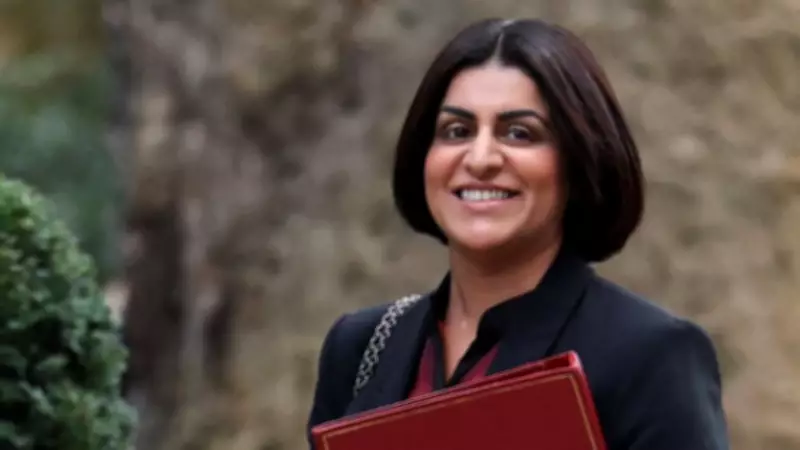
In an unprecedented move, the United Kingdom has announced its first visa ban targeting four specific nations as part of a comprehensive crackdown on asylum system abuse. Home Secretary Shabana Mahmood revealed that nationals from Afghanistan, Cameroon, Myanmar, and Sudan will face immediate restrictions on legal migration routes to the UK.
Emergency Measures to Prevent System Exploitation
The government will implement an emergency brake on study visas for individuals from all four countries, while work visas have been completely halted for Afghan nationals. This marks the first time in UK history that such targeted visa bans have been officially implemented by the government.
According to Home Office statistics, a significant 39% of the 100,000 individuals who claimed asylum in 2025 arrived through legal migration channels before submitting their asylum applications. The data reveals a particularly concerning spike in asylum applications between 2021 and September 2025, dominated primarily by students from the four targeted nations.
"Britain will always provide refuge to people fleeing war and persecution, but our visa system must not be abused," declared Ms. Mahmood. "That is why I am taking the unprecedented decision to refuse visas for those nationals seeking to exploit our generosity."
Denmark's Influence on UK Immigration Policy
The Home Secretary has openly expressed admiration for Denmark's approach to asylum and immigration, having visited the Scandinavian country since assuming her position in September. Denmark's tough stance on asylum seekers originated in the mid-2010s when current Prime Minister Mette Frederiksen was in opposition.
Under Denmark's system, the Social Democrats implemented temporary protection measures for asylum seekers, arguing that uncontrolled immigration placed excessive pressure on working-class communities. Since taking office, Frederiksen's government has successfully reduced asylum applications to their lowest level in four decades and removed 95% of rejected asylum seekers.
The Danish model emphasizes deterrence through a temporary stay approach, where most asylum seekers are expected to return to their home countries once conditions are deemed safe. This framework appears to have significantly influenced the UK's new policy direction.
Comprehensive Asylum System Reforms
The visa bans will be formally introduced on Thursday, accompanied by additional measures designed to strengthen the asylum system. These reforms include mandatory refugee status reviews every two-and-a-half years for all asylum seekers. Furthermore, refugees whose home countries are subsequently declared safe will be expected to return voluntarily.
Ms. Mahmood has argued that current levels of illegal immigration are "creating division within communities across the country" and risk eroding public support for the asylum system entirely. The government has committed to ending the use of hotels to house asylum seekers by the next election, though alternative plans utilizing former military sites have faced considerable opposition.
Political Challenges and Internal Divisions
The Home Secretary's tougher approach has created discomfort among many Labour MPs, though she has warned that failure to address public concerns about immigration could pave the way for a right-wing government. Simultaneously, the government faces pressure from its left flank following the Greens' victory in the year's first Westminster by-election.
This complex political landscape underscores the delicate balance the government must maintain between implementing effective immigration controls and preserving humanitarian commitments. The unprecedented visa bans represent a significant shift in UK immigration policy that will likely have far-reaching consequences for both international relations and domestic politics.