
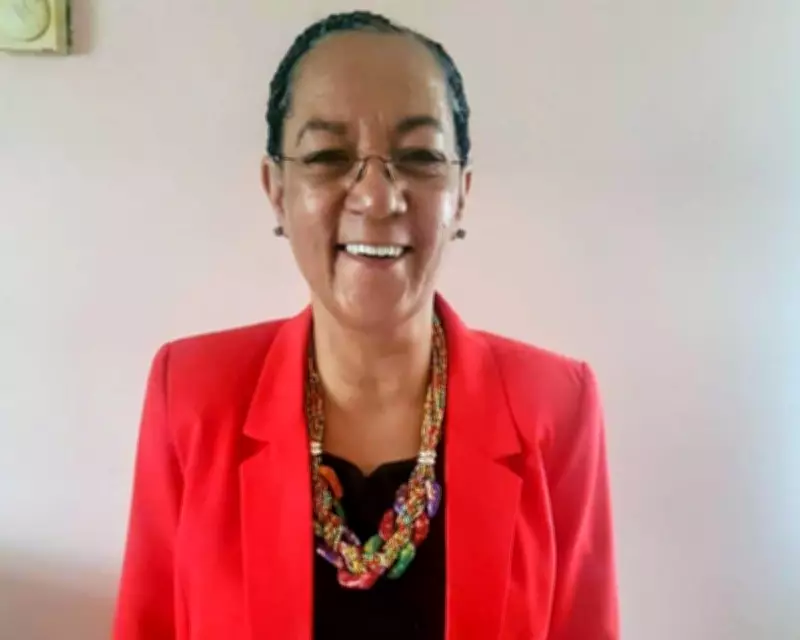
UK Survivor of Irish Mother and Baby Home Faces Benefits Penalty for Compensation
Rosemary Adaser, a 70-year-old resident of Ealing in west London, is caught in a distressing legal bind that prevents her from accepting compensation for the abuse she endured in Ireland's mother and baby homes. If she claims the payment under Ireland's compensation scheme, she stands to lose at least £1,000 per month in housing benefit, a penalty her twin brother in Ireland does not face.
A Tale of Two Twins: Separate Fates in Compensation
Born in Belfast to a Ghanaian doctor and an Irish hospital receptionist, Rosemary and her brother Anthony were institutionalised at age six due to the stigma of being born out of wedlock in 1950s Ireland. They were separated and placed in abusive institutions in Dublin and Kilkenny, reuniting only at age 12. While Anthony has received full compensation without any penalties in Ireland, Rosemary's situation in the UK is starkly different.
A legal loophole in UK benefits rules treats foreign government compensation as cash savings for means-testing, stripping away normal capital disregard provisions. This means any payment Rosemary accepts could drastically reduce her housing benefit, threatening her independence and financial stability in retirement.
The Harsh Reality of Institutional Abuse and Ongoing Injustice
Rosemary Adaser describes her childhood as one of relentless degradation, marked by abuse, neglect, and forced labour. "I thought the N-word was a pet name, until an older girl slapped me across the face and said, 'Look up the meaning,'" she recalls. Her experiences were compounded by racial discrimination, making it impossible for her to blend into Irish society like her peers.
At 16, after becoming pregnant, she was sent to a mother and baby home where her son was taken from her, though they were later reunited in adulthood. She narrowly avoided being sent to a Magdalene laundry thanks to a progressive Irish couple, Bryan and Mary Rothery, who encouraged her to move to London in 1976 to escape Ireland's colour bar in employment and housing.
Political Promises and Delayed Protections
On March 13, Prime Minister Keir Starmer announced plans to introduce "Philomena's law," aimed at protecting survivors like Rosemary from such penalties. However, with no legislative timetable or interim protections in place, approximately 13,000 survivors across the UK remain at risk of losing benefits. Campaigners warn that elderly individuals are forced into individual battles with authorities, exacerbating their trauma.
Rosemary expresses her frustration: "This is just another institutional abuse. I raised my family without any recourse to benefits. Now, when I'm unable to work, the government's inaction is killing me off." She fears applying for compensation, as losing housing benefit could force her into institutionalisation again, a prospect she dreads.
Legal and Humanitarian Calls for Immediate Action
Her lawyer, Caoilfhionn Gallagher KC, urges the government to act swiftly: "As well as taking steps to pass Philomena's law without delay, it's imperative the government takes immediate action to direct local authorities that during this interim period benefits should not be affected. How much longer are elderly, distressed survivors expected to wait?"
The Department for Work and Pensions has stated it is "carefully considering" the situation, but survivors like Rosemary continue to live in fear. She hopes to meet with the prime minister to highlight the urgent need for change, emphasizing that compensation should provide peace of mind, not further hardship.
Rosemary reflects on her life in the UK with gratitude, despite the current challenges: "I will always thank the British people. They took in thousands of defeated, battered girls and allowed us to make our lives here." Now, as a retired housing director, she seeks justice and security in her later years, calling for an end to the unfair penalties that undermine the compensation meant to acknowledge her suffering.




