UK Widens Hong Kong Visa Pathway in Response to Jimmy Lai's 'Heartbreakingly Cruel' Prison Term
The British government has significantly expanded its visa scheme for Hongkongers, a move announced just hours after the sentencing of prominent pro-democracy activist and media mogul Jimmy Lai to a 20-year prison term, described by his family as 'heartbreakingly cruel'. This policy adjustment is set to enable thousands more individuals from Hong Kong to relocate to the United Kingdom over the coming five years.
Eligibility Extended to Adult Children and Families
In an exclusive statement to the Guardian, a Home Office spokesperson confirmed that adult children of British National (Overseas) status-holders, who were under the age of 18 at the time of Hong Kong's handover to China in 1997, will now be eligible to apply for the visa route independently of their parents. This expansion also includes the partners and children of these applicants, allowing entire families to resettle in the UK.
The Home Office estimates that approximately 26,000 people will arrive in Britain as a direct result of these changes, which were implemented on Monday. This development addresses a longstanding gap in eligibility that has previously led to unfair outcomes within families, where some children could resettle while others were excluded.
Background and Political Context
The BNO visa scheme was initially launched in 2020 following the imposition of Beijing's national security law in Hong Kong. It permits BNO passport holders to move to the UK, gain settled status after five years, and apply for citizenship a year thereafter. Since its inception, more than 230,000 visas have been granted, with nearly 170,000 Hongkongers having already relocated to Britain.
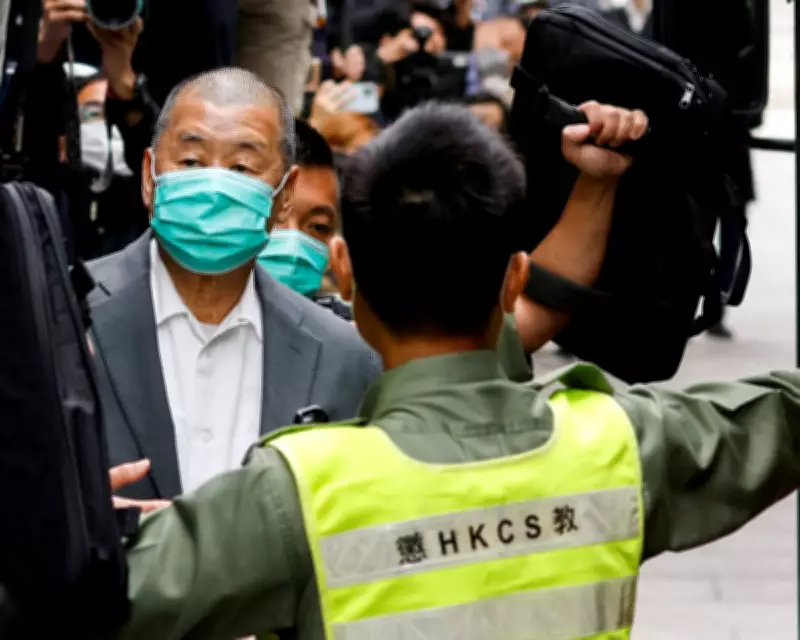
The case of Jimmy Lai, a 78-year-old British-Hong Kong media figure, has drawn significant international attention. His family reports that his health is deteriorating rapidly, and they fear he may die in prison. Labour leader Keir Starmer recently raised Lai's situation directly with President Xi Jinping during a visit to Beijing, and the UK government has committed to 'rapidly engage' further on the case now that sentencing has occurred.
Concerns Over Permanent Residency Requirements
Dozens of MPs have expressed apprehension regarding potential changes to permanent residency rules, urging the government to ensure that support for Hongkongers and others on humanitarian visas is not withdrawn. In December, 34 Labour MPs voiced 'significant concerns about the potential adverse consequences' of modifications to indefinite leave to remain (ILR) announced in November.
These MPs wrote to Migration Minister Mike Tapp, requesting that new requirements not be applied retroactively to the approximately 200,000 Hongkongers granted BNO visas since 2021. Key concerns include:
- A newly announced requirement for an 'upper intermediate' (B2) level of English, increased from 'intermediate' (B1).
- The necessity to have earned more than £12,570 annually for a minimum of three to five years before applying for ILR.
The government has clarified that Hongkongers will retain the ability to apply for settled status after five years, unlike other migrants who may face an extended period of up to 10 years. Officials are currently consulting on the proposed salary thresholds and language requirements.
Government Statements on Commitment and Control
Home Secretary Shabana Mahmood emphasised the UK's enduring commitment, stating: 'This country will always honour its historic commitment to the people of Hong Kong. We are proud to have already provided a safe haven to almost 170,000 Hongkongers since 2021. In the face of the continued deterioration of rights and freedoms, we are now expanding eligibility so more families can build new lives here.'
She added: 'While we must restore order and control to our borders, the British people will always welcome those in genuine need of sanctuary.'
Foreign Secretary Yvette Cooper reinforced this stance, noting: 'Though Hong Kong's rights and freedoms continue to erode, this government's support for its people remains steadfast, and that's why we are ensuring that young people who missed out on resettlement protection because of their age will now be covered.'
This expansion of the Hong Kong visa scheme underscores the UK's ongoing diplomatic and humanitarian response to the evolving situation in the region, balancing border control objectives with a pledge to offer refuge to those affected by political repression.