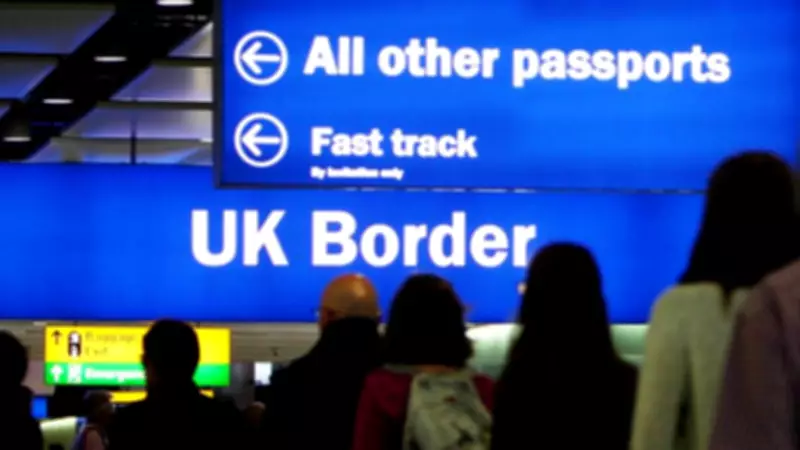
UK Entry Rules Tighten for Dual Nationals from 25 February 2026
British dual nationals without a valid British passport could face denial of entry into the United Kingdom under new regulations set to take effect later this month. Starting 25 February 2026, these individuals will no longer be permitted to enter the UK using only a foreign passport, as the government enforces its Electronic Travel Authorisation (ETA) scheme.
Documentation Requirements and Costs
To board flights, ferries, or trains to the UK, dual nationals must now present either a valid British passport or a Certificate of Entitlement. Failure to provide one of these documents may result in denied boarding. The Certificate of Entitlement costs £589, while applying for a British passport is significantly cheaper at £94.50.
The Home Office has been advising dual nationals since October 2024 to ensure they have the correct documentation, with advertising campaigns about the ETA changes ongoing since 2023. A spokesperson warned that without a British passport or Certificate of Entitlement, carriers cannot verify citizenship, potentially leading to delays or refused boarding.
ETA Scheme and Exemptions
Although British and Irish citizens are exempt from applying for an ETA, airlines are now required to check passengers' documentation before departure. Non-visa nationals from 85 countries must also obtain an ETA before travelling, as part of the government's shift toward a fully digital border system.
Irish citizens can continue to use their Irish passports for UK entry. However, dual nationals cannot use an ETA or visa to enter as British citizens; they must have a passport or Certificate of Entitlement. Those with existing physical certificates will automatically receive a digital version but need to create a UK Visas and Immigration (UKVI) account to link it to their foreign passport.
Background and Rationale
The ETA scheme is part of the government's initiative to create a more streamlined and secure digital immigration system, aimed at reducing border queues and preventing unauthorized entry. An ETA costs £16, allows multiple journeys and stays of up to six months, and is valid for two years, with plans to increase the cost to £20 in the future.
This move aligns with similar changes in the European Union, where non-EU citizens now require a European Travel Information and Authorisation System (ETIAS) authorisation. The government emphasizes that these measures will enhance border security while facilitating quicker entry for eligible travellers.