UK Government Reverses Course on Benefit Cuts for Irish Mother and Baby Home Survivors
In a significant policy reversal, the United Kingdom has abandoned its controversial plan to reduce benefits for survivors of Ireland's notorious mother and baby homes. This decision ensures that approximately 13,000 survivors currently residing in Britain can accept compensation from the Irish government without jeopardizing their access to crucial means-tested benefits.
Philomena's Law Receives Government Backing
Prime Minister Keir Starmer has yielded to sustained pressure from campaigners by endorsing legislation known as Philomena's Law. This bill, introduced in parliament by Labour MP Liam Conlon, specifically safeguards survivors' benefits if they choose to accept compensation payments from Dublin. The compensation amounts range from €5,000 to €125,000, depending on the duration of residence in the institutions.
"This was about more than just financial redress payments," Conlon emphasized. "It was also about confronting the stigma and shame that have unjustly haunted countless women and their children for generations. This decision represents an opportunity to demonstrate the kindness and dignity that these survivors have been systematically denied throughout their lives."
Joint Anglo-Irish Statement Acknowledges Historical Suffering
Following a summit between Starmer and Irish Taoiseach Micheál Martin, both governments issued a joint statement recognizing the profound and lifelong impact on victims. "In recognition of the lifelong impact of this, today the UK agrees to disregard payments under Ireland's mother and baby redress scheme," the statement declared. "This ensures that survivors in both countries are treated equitably and can receive the compensation to which they are rightfully entitled."
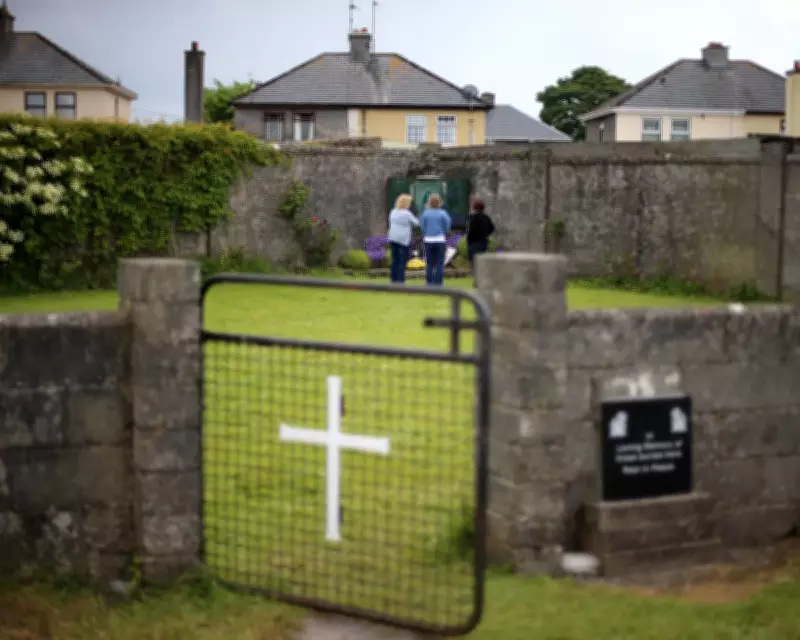
The Irish redress scheme was established after a comprehensive inquiry detailed the harrowing experiences of about 56,000 women and 57,000 children who were placed or born in these institutions, predominantly operated by religious orders between 1922 and 1998. A 2021 report documented widespread cruelty, neglect, and a disturbingly high infant mortality rate.
Survivors Express Relief and Call for Continued Justice
Philomena Lee, a prominent survivor whose search for her lost son inspired the Oscar-nominated film Philomena, welcomed the announcement. "No monetary amount can ever erase the pain or restore what was taken from so many women," Lee stated. "However, recognition, accountability, and redress are profoundly important. No survivor should ever face penalties for accepting the compensation they rightfully deserve."
Lee extended her gratitude to Conlon, community organizations, and fellow campaigners. "I hope this moment delivers long-awaited justice for survivors living in Britain and helps illuminate the enduring legacy of the mother and baby homes," she added.
Campaigners Highlight Previous Anxiety and Uncertainty
Prior to this decision, the UK's means-testing rules had created widespread fear and anxiety among survivors. Because the Irish compensation scheme considered recipients' savings, accepting payments threatened access to essential British benefits like universal credit, pension credit, housing benefit, and social care financial support. Some local councils had even sent letters notifying recipients of impending support losses, causing many survivors to hesitate or refuse Ireland's compensation offers.
Campaigner Patricia Carey described the previous situation as deeply distressing. "The uncertainty created immense fear and anxiety for many vulnerable individuals," she noted, commending Conlon and his team for their advocacy.
Brian Dalton, CEO of the advocacy group Irish in Britain, said the government's announcement provides much-needed reassurance. "For our member organizations that deliver vital specialist support, this brings crucial clarity to their work," Dalton explained. "It ensures that survivors' interests are properly protected and safeguarded moving forward."
The redress scheme began distributing payments in 2024, marking a tangible step toward acknowledgment for one of Ireland's most painful historical chapters. The UK's policy shift removes a significant barrier, allowing survivors to seek compensation without fear of financial repercussion in their country of residence.