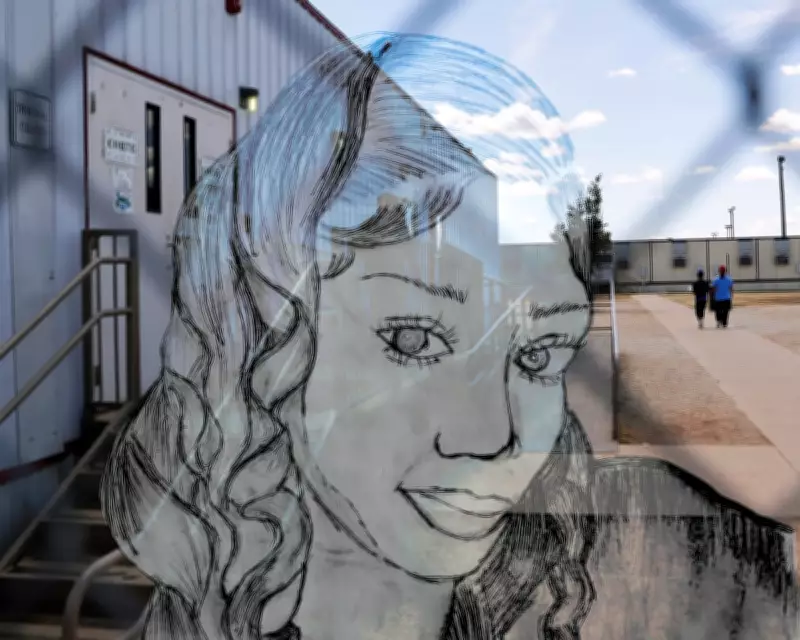
A Teen's Ordeal in ICE Detention: Endless Days and Lost Hope
Each day in detention feels like 48 hours for Olivia, a 19-year-old asylum seeker from the Democratic Republic of the Congo. She has been held at the Dilley Immigration Processing Center in Texas for over four months, describing her experience as a nightmare that seems unending. Olivia is among approximately 5,600 immigrants detained at the facility, with more than half being children, sparking widespread calls from human rights advocates, pediatricians, and lawmakers to shut it down.
The Struggle for Sleep and Sanity
Olivia's nights are the hardest, marked by sleeplessness and traumatic nightmares. She often paces and cries until exhaustion takes over, usually around 3 a.m. Her dreams frequently revisit the loss of her brother Manuel, who drowned during their family's journey from South America to the U.S., and the cold, harsh conditions of previous detention centers where she was shackled and left without proper clothing.
Apprehended with her mother and two younger siblings in November, Olivia was separated from her family multiple times. Initially reunited at Dilley, she was later left alone when Immigration and Customs Enforcement (ICE) released her relatives but not her. A mental health evaluation at Dilley diagnosed her with symptoms of post-traumatic stress disorder and major depressive disorder, highlighting the psychological toll of her detention.

Daily Life in Detention: Isolation and Health Decline
Olivia's mornings typically begin at 6 a.m. with a modest breakfast, after which she often returns to bed due to lack of energy. She wakes with headaches, exacerbated by expired contact lenses and harsh lighting in the facility. Some days, she spends entirely in bed, while others involve brief walks or conversations with other detainees.
In a rare moment of hope, Olivia discovered her family was also at Dilley after hearing her sister Estefania's voice. They were granted limited visitation hours, but when her mother and siblings were released in mid-March, Olivia faced renewed isolation. She has lost about 20 pounds since arriving, struggling with appetite and poor-quality food, and reports feeling a huge emptiness inside.
Systemic Issues and Advocacy Efforts
Olivia's case reflects broader concerns about conditions at Dilley. A recent report by legal and advocacy groups documented due process violations and inhumane treatment, while nearly 4,000 medical professionals have urged the release of all children from the facility. The Department of Homeland Security has denied these allegations, stating that detention is a choice and encouraging self-deportation.
Despite having a stay of removal while her asylum appeal is pending, Olivia has faced repeated requests to sign deportation papers, adding to her confusion and distress. Her appeal could take up to a year, leaving her uncertain about how much longer she can endure detention.
Dreams Deferred and Future Hopes
Before detention, Olivia had recently graduated high school in Maine and completed certification as a nurse's assistant, with aspirations to become a nurse and work with children. Now, she spends evenings reminiscing about life in Maine, where she enjoyed social gatherings and plans to travel across the U.S. She longs to return to her favorite coastal spot for ice cream and nature, symbolizing a desire for normalcy and freedom.
Olivia's story underscores the human cost of immigration policies, as she and many others await resolution in a system marked by delays and hardship. Her resilience, amid such challenges, highlights the ongoing debate over detention practices and the need for compassionate reform.