
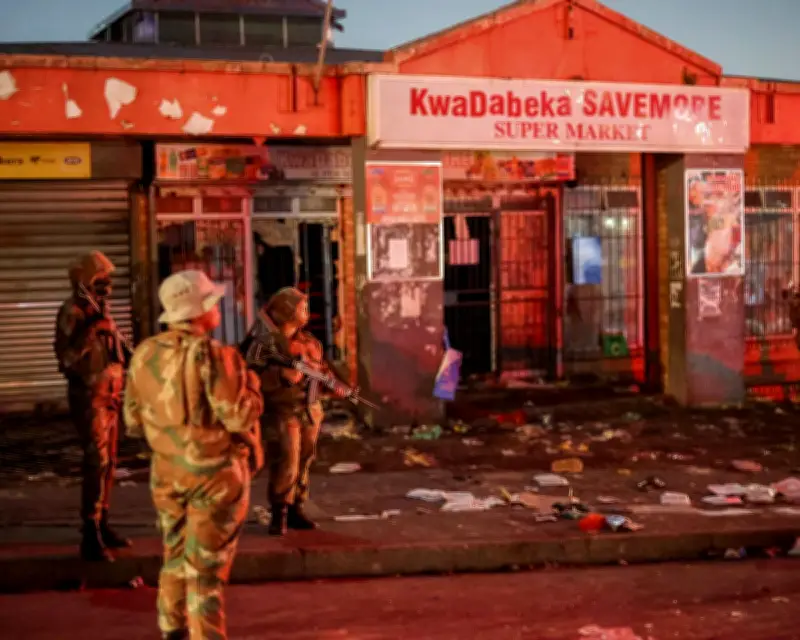
South Africa has been rocked by anti-immigrant protests led by civic groups demanding undocumented migrants leave the country, with a deadline of June 30 for a nationwide shutdown. The protesters blame porous borders for high crime, unemployment, and overburdened public services, despite official data debunking these claims. This movement is part of a broader conservative nationalist turn seen globally, exploiting economic uncertainty and declining trust in institutions.
Protest Details and Impact
For two months, groups have marched through townships and city centers, demanding identity documents from African foreign nationals, ordering non-citizens to close businesses, and calling on undocumented migrants to vacate. At least four people were killed in the run-up to June 30, and tens of thousands of migrants from Zimbabwe and Malawi have been displaced into makeshift camps awaiting repatriation. Online mis- and disinformation campaigns fueled the hatred, prompting President Cyril Ramaphosa to warn against forces exploiting concerns about illegal immigration for political agendas.
Global Context and Parallels
The scenes echo previous xenophobic violence in South Africa (2008, 2015, 2019) and similar incidents worldwide, such as anti-immigrant violence in Belfast, Northern Ireland, and rhetoric from the US MAGA movement. The common threads are global economic and political uncertainty, leading to a turn toward conservative nationalism and nativism. The UN has warned of regressing women's rights globally, with Secretary-General António Guterres noting the mainstreaming of chauvinism and misogyny.
Constitutional Concerns
South Africa's constitution, one of the most progressive globally, guarantees equality and dignity. The anti-immigrant movement risks undermining these principles by scapegoating foreigners instead of holding the government accountable for service delivery and governance crises. The movement's leader, Nkosikhona Ndabandaba, has used tropes about protecting women and children, demanding South African women in relationships with foreign nationals leave the country, signaling wider social ramifications.
According to Zanele Mji, a writer and investigative journalist, the danger is that these movements act against constitutional principles of equality and dignity. The protests highlight how genuine grievances can be exploited, turning the country into a tinderbox for social unrest.




