Refugee Voices Condemn UK's New Temporary Status Policy as Inhumane
Yazan Miri, a Syrian refugee who arrived in the UK in 2022 at age 21, has spoken out against the government's latest immigration measures, describing them as a betrayal of human dignity. In a powerful account, he details the challenges faced by asylum seekers, from hostile conditions in accommodation to bureaucratic hurdles, and warns that new policies will exacerbate suffering.
A Harrowing Start in the UK
Upon his arrival, Miri was placed in a so-called 'hotel room' for over 18 months, a facility he likens to a prison due to its isolation and poor conditions. Located an hour and a half from the nearest city, residents were provided with only £8 per week for essentials. The environment was tense, with far-right protesters targeting the building; during the 2024 riots, there was an attempt to set it on fire. Communication with support services was fraught, involving eight-hour phone waits and encounters with ill-equipped staff. Miri recounts hearing stories from other residents about verbal abuse from outsiders, creating an atmosphere of fear and alienation.
The Struggle for Stability
After being granted refugee status, Miri was given just 28 days by Home Office officials to secure housing and meet basic needs, navigating complex bureaucracy, underfunded local authorities, and reliance on charities. He moved to the UK seeking safety and a better life, away from war-torn Syria, but now criticizes the government for funding conflicts in the region through taxes, which he says contributes to further displacement. The asylum system, he argues, retraumatizes victims physically and mentally, with some in his social circle having taken their own lives due to the hostile barriers imposed.
New Rules Deepen Insecurity
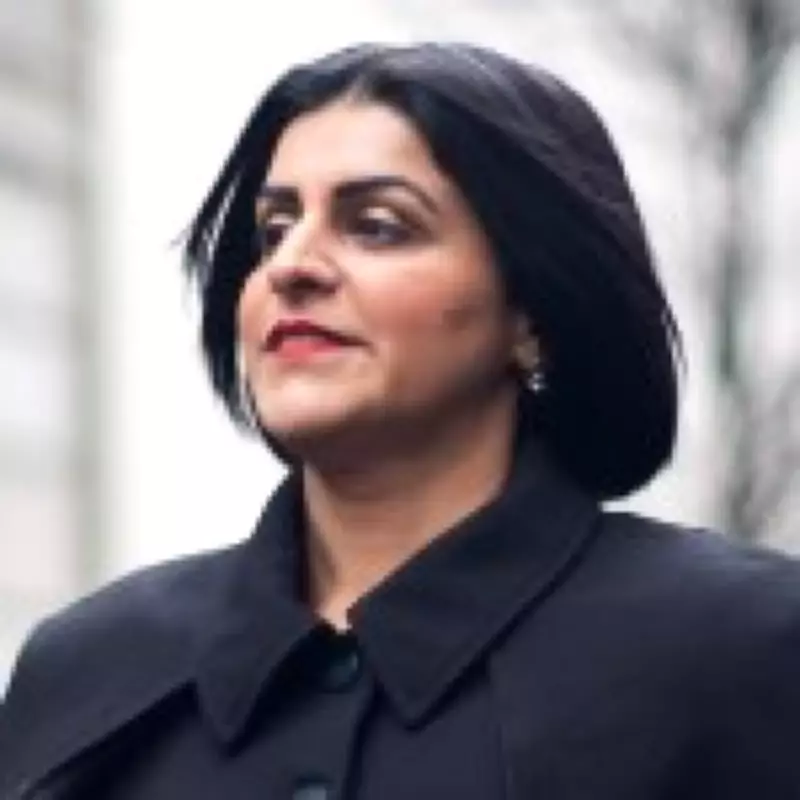
Home Secretary Shabana Mahmood recently announced plans to implement temporary refugee status for all asylum seekers, with checks every 30 months instead of the current five years. If a claimant's home country is deemed safe, they could be required to return. Miri condemns this move as life-changing and cruel, noting it aligns with right-wing messaging despite Labour's political challenges from the Greens. He emphasizes that this policy sends a clear message to immigrants: you are not welcome. For refugees, especially children fleeing war, it creates perpetual fear of deportation, undermining efforts to rebuild lives and integrate into communities.
Broader Implications and Calls for Change
The Joint Council for the Welfare of Immigrants (JCWI), where Miri works, advocates for systemic reform. They argue that the UK's asylum system is unfit for purpose, but making it harder for refugees is not the solution. Instead, they propose granting lawful status to undocumented migrants, allowing safe Channel crossings, and offering permanent settlement to asylum seekers. Miri points to the Gorton and Denton by-election, won by the Green Party, as evidence that the public supports compassionate policies. He stresses that refugees deserve stability, autonomy, and basic human rights, urging the government to prioritize dignity over political gambits aimed at appealing to Reform voters.
A Hopeful Outlook Amidst Adversity
Despite the bleak landscape, Miri remains hopeful by advocating for those affected and researching ways to create a fairer immigration system. He calls for a framework that provides justice and security for all, emphasizing that refugees are not less deserving of a safe home and community. As the debate continues, his story highlights the urgent need for policy shifts that uphold human rights and foster inclusion, rather than perpetuating cycles of precarity and distress.