
Reform UK's Controversial Visa Pledge Draws International Condemnation
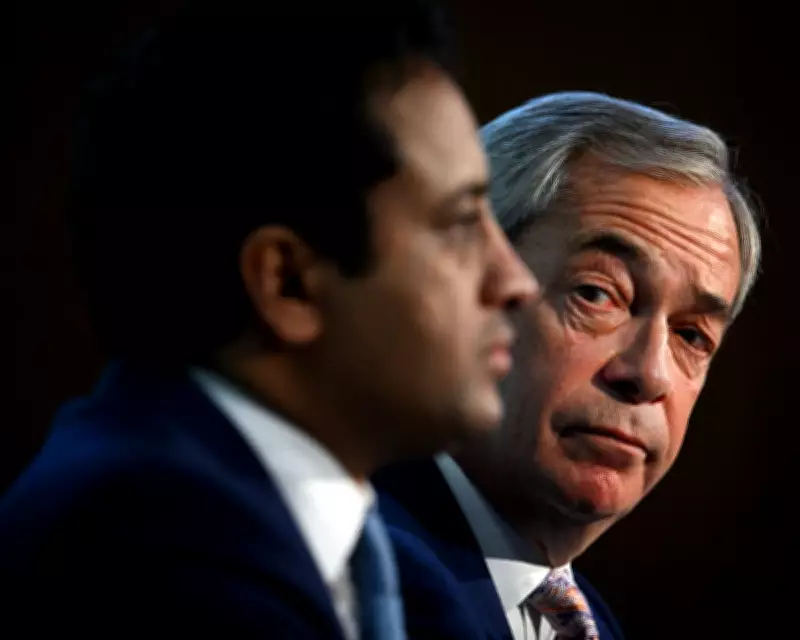
Reform UK has ignited a fierce international controversy by announcing plans to halt visas for nationals of countries that formally demand reparations from Britain for historical slavery. The right-wing party's home affairs spokesperson, Zia Yusuf, declared that the United Kingdom is "not an ATM for ethnic grievances of the past," arguing that the nation is being "ridiculed on the world stage" as countries like Jamaica, Nigeria, and Ghana intensify their calls for justice.
Commonwealth Leaders Vow Unwavering Pursuit of Justice
In response, Commonwealth politicians have firmly stated they will not retreat from their reparations campaigns. Arley Gill, chair of the Grenada Reparations Commission, expressed outrage at the suggestion that British visas are a privilege for people whose ancestors were colonized and enslaved. "It is not funny that they think after years of invading and colonising a people that they think a British visa for those same people is a privilege," Gill emphasized.
The debate has gained momentum following a recent United Nations General Assembly resolution, spearheaded by Ghana, which described the transatlantic slave trade as "the gravest crime against humanity" and called for reparations. This international pressure has placed the UK's historical accountability under unprecedented scrutiny.
Caribbean Leaders Accuse Reform of Exploiting Cultural Divisions
Ralph Gonsalves, opposition leader and former prime minister of St Vincent and Grenadines, accused Reform leader Nigel Farage of "doing an imitative Trump" and creating a "cultural wedge issue" that would further isolate Britain globally. Gonsalves asserted that Caribbean advocates would not be intimidated, stating, "For us, the present is the past because of the legacy of underdevelopment, which can be empirically sourced to native genocide and the enslavement of African bodies."
Hilary Beckles, chair of the Caricom reparations commission, called for "inter-nation dialogue," condemning the notion of punishing victims seeking justice as "tragic." Beckles highlighted that while many victims of crimes against humanity have received apologies or reparations, the persistence of "toxic racism" and "white supremacy politics" continues to marginalize Black people's claims.
Internal Criticism and Historical Context
The policy has also faced criticism from within Reform UK's own ranks. Neville Watson, the party's only Black branch chair until his departure last year, warned that the stance would "punish nations for raising legitimate historical claims" and exacerbate UK skills shortages. Watson pointed to a recent £746 million UK-Nigeria trade deal as evidence that prosperity depends on partnership, not isolation.
Gill further criticized Reform's position as demonstrating a "terrible lack of knowledge," noting that British taxpayers historically compensated enslavers, not the enslaved. This historical injustice remains a central point in reparations discussions.
Political Reactions and Broader Implications
Bell Ribeiro-Addy, Labour MP and chair of the all-party parliamentary group on Afrikan Reparations, labeled Reform's policy a "ridiculous provocation," clarifying that reparatory justice involves acknowledgment, truth-telling, and structural repair, not merely financial compensation. Clive Lewis, Labour MP for Norwich South, underscored the gravity of slavery's legacy, with a death toll potentially exceeding 20 million, and stressed the importance of confronting history to prevent future atrocities.
Despite the backlash, Nigel Farage defended Reform's stance, citing Britain's historical role in combating slavery on the high seas. However, at a press conference, Farage admitted that the party had not conducted cost modeling or assessed the impact on UK employers, though he assured that the visa block would not be applied retroactively.
National and International Policy Shifts
Post-Brexit, the UK has increasingly relied on nationals from former African, Caribbean, and Asian colonies to address skills shortages in critical sectors like healthcare, education, and social care. This dependency highlights the potential economic risks of Reform's proposed visa restrictions.
While Keir Starmer has stated that the UK will not pay reparations, the government has indicated openness to other forms of reparatory justice, such as restructuring financial institutions and providing debt relief. This nuanced approach contrasts sharply with Reform's confrontational strategy, setting the stage for ongoing domestic and international debates over historical accountability and contemporary policy.




