Reform UK Announces Drastic Visa Policy Targeting Reparations-Seeking Nations
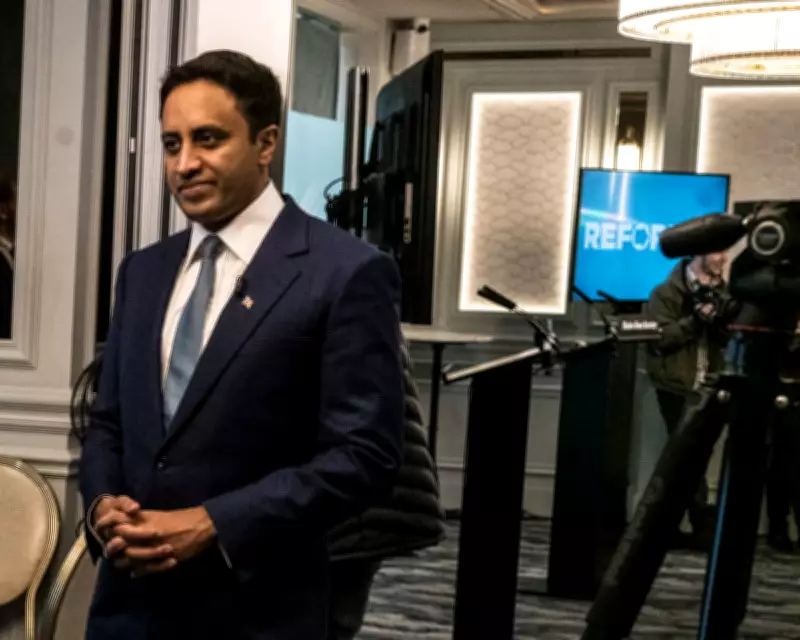
In a controversial policy announcement, Reform UK has declared it would cease issuing visas to individuals from any country that continues to demand compensation from the United Kingdom for its historical role in the transatlantic slave trade. The party's home affairs spokesperson, Zia Yusuf, made the statement to the Daily Telegraph, framing the move as a response to what he called "insulting" reparations demands.
'The Bank Is Closed and the Door Is Locked'
Yusuf delivered a stark message to nations seeking reparations, stating: "The bank is closed and the door is locked for anyone who wants to use history as a weapon to drain our treasury." He emphasized that the United Kingdom "is not an ATM for ethnic grievances of the past" and vowed that the country would "no longer tolerate being ridiculed on the world stage."
The spokesperson specifically mentioned Jamaica, Nigeria, and Ghana as countries that have "ramped up their demands for reparations" while receiving what he characterized as rewards from the "Westminster establishment." Yusuf claimed that approximately 3.8 million visas have been issued over the past two decades to people from nations calling for reparations.
Historical Context and International Response
The transatlantic slave trade, which spanned four centuries, involved seven European countries including Britain enslaving and trafficking more than 15 million Africans across the Atlantic Ocean. Historians have documented how wealth generated from this brutal system contributed significantly to mass industrialisation in Western nations.
Last month, the United Nations passed a landmark resolution describing the transatlantic slave trade as the "gravest crime against humanity" and calling for reparations as "a concrete step towards remedying historical wrongs." The resolution, proposed by Ghana's president John Dramani Mahama and backed by the African Union and Caribbean Community (Caricom), received abstentions from the UK and European Union members, while the United States voted against it.
Reform UK's Broader Policy Agenda
This visa proposal represents an extension of Reform UK's previously stated position on international aid. The party has already pledged to scrap foreign assistance to countries demanding reparations. Yusuf defended Britain's historical record, stating that reparations-seeking nations "ignore the fact that Britain made huge sacrifices to be the first major power to outlaw slavery and enforce this prohibition."
The Reparations Debate Intensifies
A 2023 report compiled by Patrick Robinson, a former judge of the International Court of Justice, concluded that Britain alone should pay $24 trillion (£18.8 trillion) as reparations for transatlantic slavery across 14 affected countries. This staggering figure has fueled both support for and opposition to reparations movements.
The Caricom Reparations Commission (CRC), established to pursue justice for centuries of enslavement and colonisation, has addressed what it calls misleading media reports about its objectives. During a lecture in London, CRC chair Prof Sir Hilary Beckles clarified that the commission's ultimate aim is not to "break the British Treasury" but rather to develop "mutual strategies for a mutually beneficial restorative justice programme" between the UK and its former colonies.
Beckles expressed frustration with media portrayals, stating: "Every week, we open the newspapers and we hear the most terrible things about these reparations people from the Caribbean. Some have said that we have come here to break the British Treasury by demanding millions and billions and billions of pounds. And they have consistently tried to discredit what is an ongoing moral and ethical argument for justice, the right to justice."
As the debate over historical responsibility and contemporary compensation continues to evolve, Reform UK's proposed visa ban represents one of the most direct policy responses to reparations demands, setting the stage for further political and diplomatic discussions about Britain's historical legacy and current international relationships.