
Record Deaths in US Immigration Custody Expose Systemic Failures Under Trump
The circumstances surrounding a record number of deaths in US immigration custody during the second Trump administration have left families, advocates, and lawmakers searching for answers amid a lack of transparency and systemic failures. Immigration and Customs Enforcement (ICE) reports, autopsy findings, and 911 calls raise serious concerns about the quality of medical care, emergency responses, and conditions within detention facilities.
Families Navigate a Bureaucratic Labyrinth
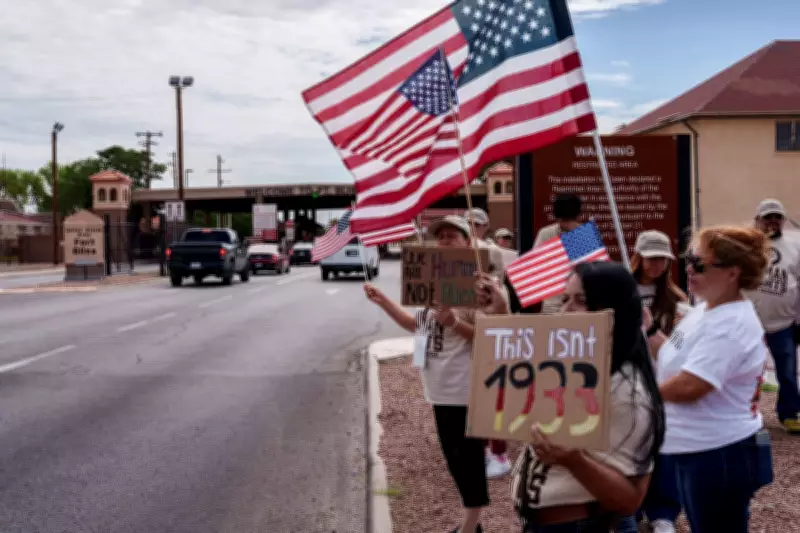
Loved ones and their attorneys face a complex maze of federal agencies, local medical examiners, and private contractors when seeking information about deaths in custody. Veronica Escobar, a Texas congresswoman, described this system as a "quagmire created by choice," emphasizing that it hinders accountability and transparency. Her district includes El Paso, where Camp East Montana, the largest immigration facility in the US, holds up to 5,000 detainees in tents on the Fort Bliss army base.
Alarming Death Toll and Expanding Detention
Since Donald Trump returned to the White House, there have been 42 known deaths in ICE custody, with the death toll rising as detention numbers reach historic highs. Currently, nearly 70,000 immigrants are detained nationwide, more than at any time in US history. The Trump administration is rapidly expanding detention capacity by converting warehouses in several states, exacerbating concerns about oversight and care.
In response to inquiries, the Department of Homeland Security (DHS) stated that death rates in custody are 0.009% of the detained population, claiming no spike in deaths and asserting that detainees receive high standards of care. However, DHS did not provide a source for this figure and pointed to the criminal histories of some deceased detainees, though government data shows that most detainees have no criminal past.
Specific Cases Highlight Systemic Issues
Recent deaths illustrate broader problems. In January 2026, Victor Manuel Diaz, 36, was found dead at Camp East Montana, with ICE presuming suicide. His family disputes this, citing his imminent deportation and lack of depression. Earlier, Geraldo Lunas Campos, 55, died at the same camp, with the El Paso county medical examiner ruling his death a homicide due to asphyxia during restraint by guards. ICE cited "spontaneous use of force" to prevent self-harm, but relatives plan to sue.
Confusion over jurisdiction complicates investigations. For Diaz's death, the military, rather than local authorities, is handling the autopsy, raising concerns about transparency. Randall Kallinen, a lawyer for Diaz's family, questioned why the army is involved, noting that this blurs accountability lines.
Suicides and Medical Neglect Across Facilities
Nationwide, there have been six suicides in immigration custody in the last 13 months, the highest rate in eight years. Cases include Leo Cruz Silva in Missouri, whose death report was released 35 days late, and Brayan Garzón-Rayo, also in Missouri, whose mother questions the suicide ruling despite intake screenings denying suicidal thoughts.
Medical neglect allegations abound. Emmanuel Damas died after reporting severe tooth pain, with lawmakers accusing ICE of failing to provide timely care. Huabing Xie was left unattended for 45 minutes during a heart attack, and Ismael Ayala-Uribe died after complaining of rectal pain for three weeks, with family alleging inadequate medical attention.
Transparency and Accountability Challenges
Access to autopsy reports varies by jurisdiction, with some coroners refusing to release documents, citing privacy. This lack of uniformity creates a "classic transparency problem," according to legal experts, hindering public oversight. Rebekah Wolfe of the American Immigration Council argued that detention should not be a death sentence, advocating for safer alternatives given that most detainees have no criminal convictions.
As detention expands, the death toll continues to rise, exposing what Escobar calls an "absence of compassion on an incredibly profound scale." Families remain in the dark, struggling for answers in a system marked by opacity and failure.




