
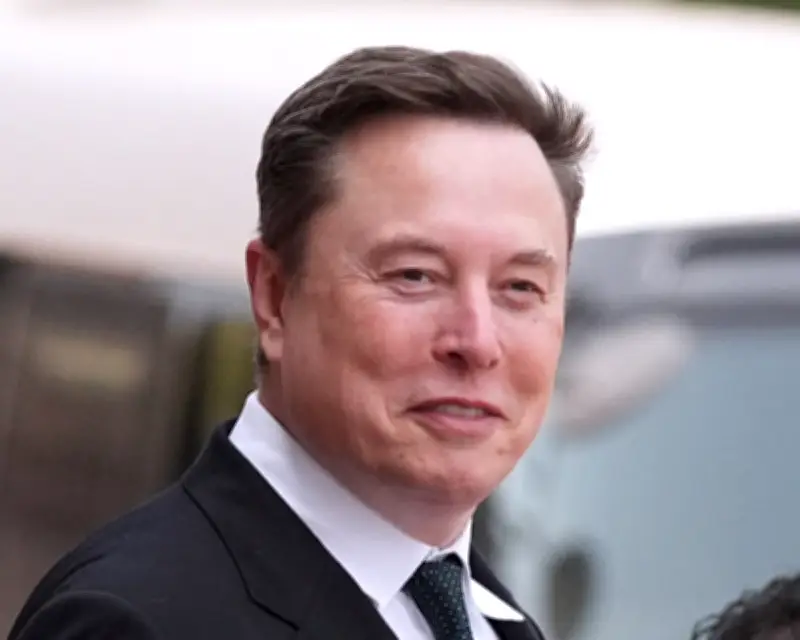
Elon Musk posted about race and immigration in the UK on his social media network X twice as often as he did about SpaceX, which he also owns, in the run-up to the aerospace and AI company’s initial public offering, according to a Guardian analysis of his posts, replies and reposts between 31 May and 12 June.
Musk's UK focus intensifies
The analysis shows Musk posted 303 times about race and immigration in that period, almost three-quarters of which were related to UK politics. In comparison, he posted just 114 times about SpaceX, which began trading on the Nasdaq on 12 June, making him the world’s first trillionaire.
The period was marked by heightened tension in the UK after the sentencing of Vickrum Digwa for the murder of teenager Henry Nowak, which led to claims of “anti-white” policing and far-right protests. Violent riots also erupted in Belfast after a knife attack.
Musk's political interference
UK Prime Minister Keir Starmer accused Musk of trying to incite division. “Musk again has been interfering in our politics in the last few days, trying to whip up division. That is not who we are in Britain,” Starmer said.
Musk’s focus on UK politics seemed surprising given his key role in SpaceX’s IPO. The firm earmarked an unusually large portion of its shares for non-professional investors, banking on Musk’s popularity to raise $75bn, though it actually raised $85.7bn.
Far-right engagement
The night before the IPO, Musk reposted video of Rupert Lowe, leader of the far-right Restore Britain party, calling for the deportation of migrants. He also pondered “multiculturalism” and the perfidy of the West. In one post, he responded to criticism by saying: “Nothing else matters if civilization falls.”
Musk also supported Stephen Yaxley-Lennon, known as Tommy Robinson, appearing in a live stream at his Unite the Kingdom rally in 2025. At the rally, Musk said: “Whether you choose violence or not, violence is coming to you. You either fight back or you die,” drawing condemnation from the British government.
Analysis of posting patterns
The Guardian also analysed Musk’s posts during other protest periods. It found fewer than 7% of his posts were about UK race and immigration during the 2024 summer riots, compared with 31% between 31 May and 12 June, coinciding with protests in Southampton and Belfast.
Dr Michael Vaughan, a research fellow at the London School of Economics, said Musk’s wealth and entanglement with far-right figures made him a distortional presence in democratic politics. “From Musk, we have seen a language of encouragement and legitimisation. People who were in organisations that otherwise might have had a fringe status have suddenly acquired a status and legitimacy,” he said.
A report by the Centre for Countering Digital Hate found that replies to Musk’s posts after the Belfast knife attack contained 240 calls for violence, and that Musk’s amplification of Lowe and Robinson contributed 64m views to their posts.




