
Ministers Engage Backbenchers Over Immigration Reform Concerns
Government ministers are actively collaborating with backbenchers who have expressed significant concerns regarding Home Secretary Shabana Mahmood's proposed immigration overhaul. According to reports from The Guardian newspaper, figures within the government are working to help rebel Members of Parliament secure additional exemptions from the reforms being spearheaded by Mahmood.
Key Changes to Immigration Policy
The proposed changes aim to extend the amount of time migrants must reside in the United Kingdom before they can claim the right to stay in the country permanently. Under the new plans, most individuals would be required to wait ten years to qualify for indefinite leave to remain, a significant increase from the existing five-year period. This adjustment has sparked considerable debate and opposition within political circles.
Backbench Opposition and Concerns
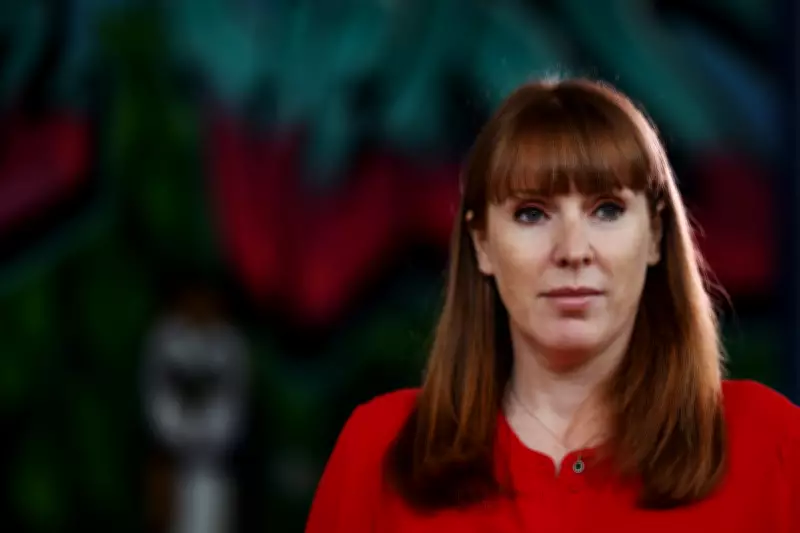
Former deputy Labour leader Angela Rayner is among the prominent backbenchers raising alarms about the potential retrospective application of the overhaul. Critics fear that the reforms could affect migrants who have already spent years living and working legally in the UK, creating uncertainty and distress for long-term residents.
One leading backbench rebel informed The Guardian that preventing the changes from applying retrospectively might be sufficient to alleviate the anger of most opponents. However, another MP expressed frustration, stating that parliamentarians are being treated with a degree of contempt as they are not being granted an opportunity to vote on the plans directly.
A third backbencher revealed that some rebels had been contacted and shouted at after signing a letter condemning the proposals, highlighting the tense atmosphere surrounding the issue.
Broader Political Context and Criticisms
Home Secretary Shabana Mahmood has been leading the government's efforts to adopt a tougher stance on immigration, partly in response to the growing influence of Reform UK. Recent data from the Home Office, published in February, showed a sharp decline in family-related visas, with just 67,000 visas issued to spouses, children, and other dependants of migrants in 2025. This represented a 22 percent drop compared to 2024, with partner visas falling by 27 percent to 41,000.
Despite these measures, many Labour MPs are anxious about political challenges from both the right and left. The Green Party's victory in the Gorton and Denton byelection, where Labour finished third, has raised concerns about increasing pressure from progressive factions. A group of 100 Labour MPs who signed a letter opposing the measures argued that you do not win back public confidence in the asylum system by threatening to forcibly remove refugees who have lived here lawfully for 15 or 20 years.
Parliamentary Maneuvers and Future Steps
Critics of the immigration plan are reportedly preparing to invoke a rarely-used parliamentary procedure to force a symbolic vote on the measures in the coming months. This move underscores the depth of opposition and the determination of backbenchers to challenge the government's approach.
Downing Street sources have emphasized that the changes have always been subject to consultation, suggesting a willingness to engage in dialogue. However, the ongoing negotiations between ministers and backbenchers indicate that significant compromises may be necessary to address the widespread concerns and secure broader support for the reforms.




