LA's Iranian Diaspora Voices Hope and Fear Over US Intervention in Iran
In the affluent neighborhoods of Westwood and Beverly Hills in Los Angeles, home to the largest Iranian diaspora globally, residents grapple with complex emotions as the United States engages in military strikes against Iran. Known colloquially as Tehrangeles or Little Persia, this community watches events unfold from afar, with many expressing cautious optimism for a freer homeland, while others voice concerns about the repercussions.
Support for US Strikes Amidst Personal Ties
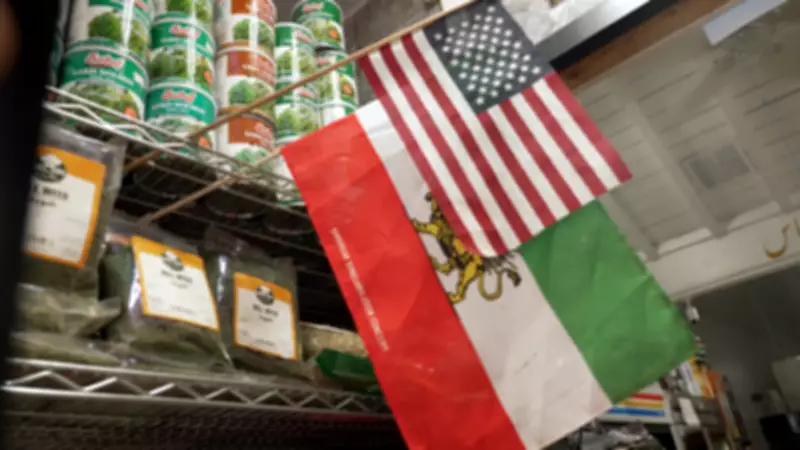
Eric Saddigh, a longtime owner of a Persian rug shop in Los Angeles, left Iran at age 15 and now serves a clientele of Beverly Hills millionaires. Despite the opulence of his surroundings, his thoughts remain with Iran. Displaying portraits of the shahs and the pre-revolution flag, Eric views the US intervention as a necessary step. "Donald Trump is doing a favour for the whole humanity," he asserts, emphasizing the need to prevent nuclear proliferation. His father, 91 and residing in Tehran, communicates sporadically due to shutdowns, but Eric accepts potential risks, stating, "there is a price to pay for freedom."
Economic and Security Concerns in the Diaspora
Serge Abdishoo, who emigrated from Iran as a child, meets friends at Atari cafe in Persian Square, reflecting on the conflict. "It feels like we're on the cusp of finally being able to breathe again after 47 years," he says, yet his primary worry is for America's safety and economic stability. He highlights fears of rising oil prices and grocery costs, echoing broader anxieties within the community. Mohammad Ghafarian, a bakery owner with 53 years in the US, shares this sentiment, hoping for change in Iran but anticipating economic hardships domestically.
Dissenting Voices and Long-Term Fears
Not all in Tehrangeles support the intervention. Aida, of Armenian descent, expresses skepticism about a quick resolution, warning of prolonged conflict and revenge cycles. "This is not gonna end unless somebody throws a nuclear bomb," she cautions, representing a minority view in an area largely backing the US actions. Despite these concerns, the overwhelming majority in this diaspora, situated 7,000 miles from Iran, celebrate the potential for regime change, even as they navigate personal and economic uncertainties.