California Man Shot by ICE Denies Gang Allegations, Lawyer Claims Unjustified Fire
Carlos Ivan Mendoza Hernandez, a 36-year-old California man, has asserted that U.S. Immigration and Customs Enforcement (ICE) officials falsely labeled him as a gang member and fired upon him without justification during a traffic stop. The incident occurred on Tuesday in Patterson, a rural agricultural town in California's Central Valley, leading to Hernandez being hospitalized with severe injuries.
Details of the Shooting and Legal Response
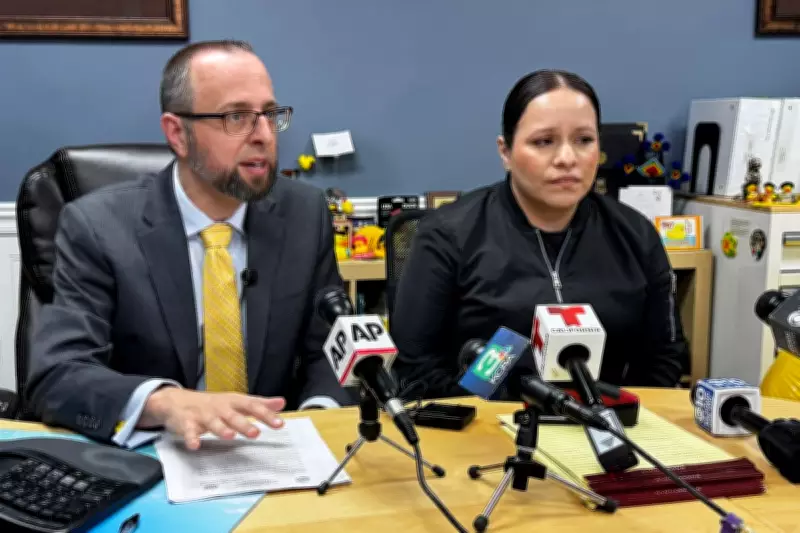
Patrick Kolasinski, Hernandez's attorney, visited him in the hospital on Thursday morning and summarized his client's account. Hernandez was hit by more than six bullets, including one that struck his face, and has undergone three surgeries. Kolasinski stated that Hernandez was "very adamant" that he was fired upon before moving his vehicle, contradicting ICE's version of events.
Dashcam footage of the encounter shows three ICE agents outside Hernandez's car. The video, which is grainy and lacks sound, captures Hernandez reversing away from the officers with his passenger door open, followed by two officers pointing firearms at him. The car then drives forward and jumps over a median out of view. It remains unclear from the video when the shots were fired.
ICE's Statements and Scrutiny
Todd Lyons, ICE's acting director, issued a statement claiming Hernandez "weaponized his vehicle in an attempt to run an officer over," though no officers were hit by the car. Lyons defended the officers' actions, saying they "fired defensive shots to protect themselves, their fellow agents, and the public." However, Kolasinski argued that the car's movements were a panic response to being shot at, emphasizing that Hernandez was trying to flee for safety.
ICE's statement also alleged Hernandez was part of the "18th Street Gang" and was "wanted in El Salvador for questioning in connection to a murder." Kolasinski refuted these claims, noting Hernandez has never been in a gang and only visited Los Angeles briefly. He cited 2019 court records from El Salvador indicating Hernandez was acquitted of murder charges and released from custody.
Broader Context and Criticisms
This incident adds to growing scrutiny of ICE's practices. The agency has faced backlash for similar shootings, such as the January killing of Renee Nicole Good in Minneapolis, where officials claimed she "attempted to kill" an officer with her car, but footage contradicted this. ICE has also been criticized for labeling individuals as gang members without evidence, as seen in a January case in Oregon where DHS allegations were later disputed by the Department of Justice.
Kolasinski sharply criticized ICE's training, stating that firing at moving vehicles endangers bystanders and reflects poor protocols. He described Hernandez as a "loving, hardworking partner" with a two-year-old daughter who is struggling with his absence. A DHS spokesperson declined to comment on the specifics of the stop or the lawyer's claims.
Hernandez remains in intensive care, unable to speak clearly due to his injuries. The case highlights ongoing debates over immigration enforcement and use of force in the United States.