
The streets of south Minneapolis are unnervingly quiet in the early morning frost. At 6:15 am, Jac Kovarik navigates their SUV, eyes peeled for the distinctive vehicles of US Immigration and Customs Enforcement (ICE). This daily patrol is a new reality for a city living under what local leaders describe as a federal occupation.
A City Transformed by Fear
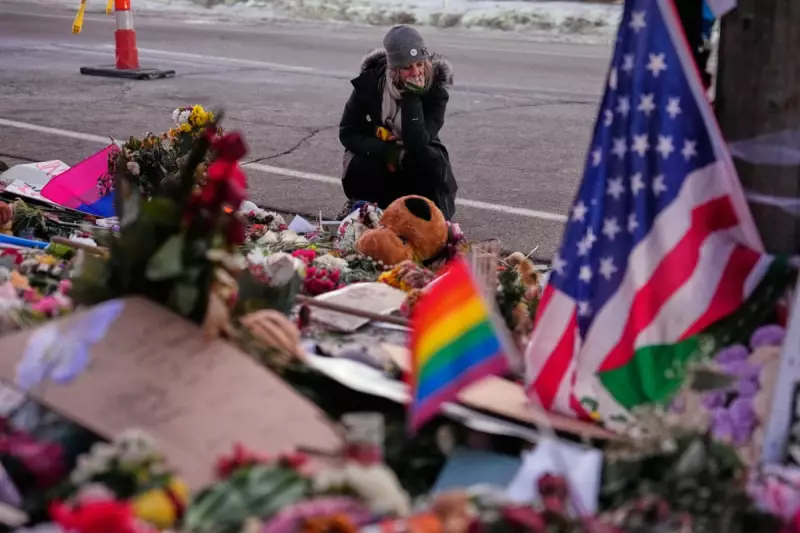
The catalyst for this tense atmosphere was the killing of US citizen Renee Good by an ICE agent earlier this month. In response, the Trump administration has mobilised a staggering force of 3,000 federal agents to Minnesota, a contingent that now outnumbers the Minneapolis police force five to one. The Department of Homeland Security has labelled it the largest operation in the agency's history.
"Make no mistake, this is an occupation," stated Angela Conley, a commissioner for Hennepin county, which includes Minneapolis. The impact is pervasive. Classrooms sit empty, shops are shuttered, and a palpable fear grips immigrant communities. Bus stops lack their usual early shift workers, and parents now walk in small groups, escorting not only their own children but those of neighbours too afraid to leave home.
By sunrise, volunteers clutching bright orange whistles stand on street corners, blowing them in unison to alert residents when an ICE vehicle is spotted. Ryan Pérez of the non-profit Copal, which supports Latine families, arrived late to a meeting because ICE agents were outside his office, where two immigrants and an observer were taken into custody.
Aggressive Tactics and Community Backlash
While some agents have been operating since December, their presence intensified following Good's death and the subsequent protests. President Trump threatened to invoke the Insurrection Act in Minnesota, and the Department of Justice has opened an investigation into state officials for allegedly impeding federal agents.
Agents, claiming to target undocumented immigrants with criminal backgrounds, have employed increasingly aggressive methods. They have made arrests during morning commutes, at grocery stores, and outside churches. The American Civil Liberties Union has filed a class-action lawsuit alleging racial and ethnic profiling.
One harrowing account comes from Daisy Martinez, whose husband Tomas was arrested on New Year's Eve in Brooklyn Park while they drove their six-year-old son to hospital for a tonsillectomy. "It's almost as if he was kidnapped," she said, describing how agents pinned her to the car. Her son now sees a therapist and fears going to school, worried his mother will also be taken.
The economic toll is severe. Approximately 80% of immigrant-run businesses in Minneapolis and St Paul were closed this week, with sales plummeting since late December. The city council is seeking an eviction moratorium to protect those risking their safety to work.
Solidarity and Resistance Grow
As federal pressure mounts, so does the organised response. Mutual aid networks have sprung up across the city. The sex shop Smitten Kitten has become a donation centre, while an art gallery in the Native American cultural district now distributes free groceries and hot meals.
Juan Leon, who owns Leo's Tow, offers free or discounted towing for vehicles abandoned after ICE arrests. "It's just such a beautiful thing to see everybody coming together," he said, though wishing it was under better circumstances.
Even elected officials are not immune. Minneapolis city council president Elliott Payne was shoved by an ICE agent while observing an incident. "This is the type of reckless behaviour that is unfolding in our city," he stated at a press conference.
The situation escalated further when agents shot Julio Cesar Sosa-Celis in the leg in north Minneapolis. In a disturbing follow-up, a family with six children, including a six-month-old infant, was trapped in their car as ICE set off tear gas and flash-bangs nearby.
Despite the climate of fear, a determined spirit of resistance persists. "The people of the Twin Cities are extremely determined," said patrol organiser Jac Kovarik. "We just are more and more determined as they send more and more agents. And at the end of the day, there's way more of us than them." As the sun sets before 5 pm on a winter's day, the long shadow of ICE's presence continues to define life in Minneapolis, met by a community refusing to be silenced.




