
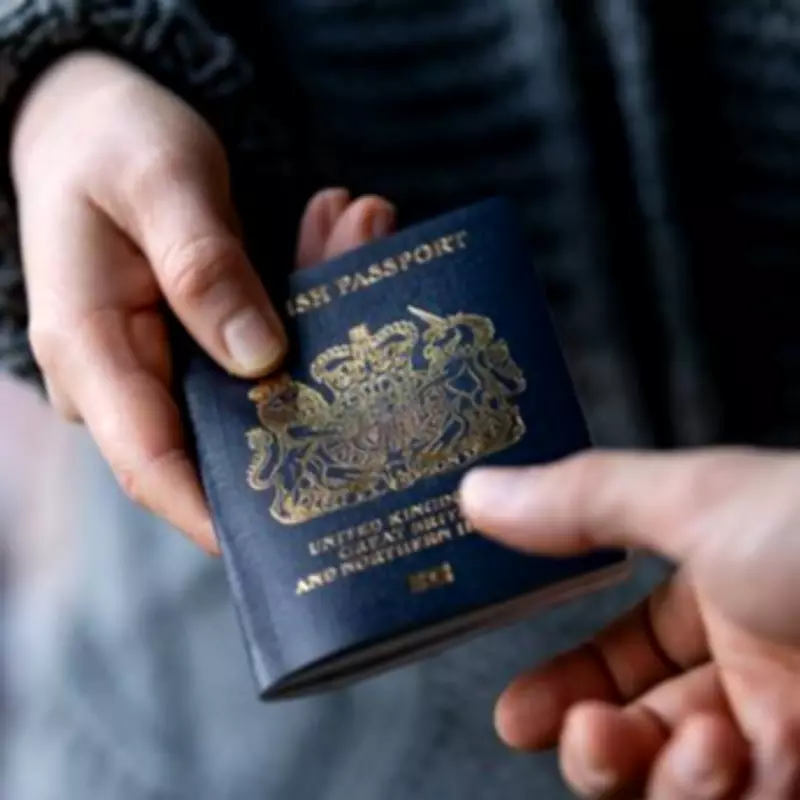
EU's New Entry/Exit System Fully Implemented Today: Key Rules for British Travelers
As of Friday, April 10, 2026, the European Union's Entry/Exit System (EES) has been fully rolled out across all member states, marking a significant shift in border procedures for British holidaymakers. This digital border system now applies to all British nationals traveling to countries within the Schengen zone, replacing the traditional manual passport stamping process.
What Is the Schengen Zone and Where Does EES Apply?
The Schengen area includes 27 European countries where border controls have been abolished for internal travel. These nations are: Austria, Belgium, Bulgaria, Croatia, Czechia, Denmark, Estonia, Finland, France, Germany, Greece, Hungary, Iceland, Italy, Latvia, Liechtenstein, Lithuania, Luxembourg, Malta, Netherlands, Norway, Poland, Portugal, Romania, Slovakia, Slovenia, Spain, Sweden, and Switzerland. Important to note: The EES system does not apply to journeys to the Republic of Ireland and Cyprus, as these countries are not part of the Schengen zone.
New Requirements for British Travelers
Under the new EES arrangements, British visitors must create a digital record by submitting biometric information during their first trip to the Schengen zone. This process occurs at the airport border checkpoint upon arrival and involves:
- Providing fingerprints
- Taking a facial photograph
There is no charge for this registration, and travelers do not need to take any action before reaching the border. Once processed, the EES record remains valid for three years. During this period, when re-entering the Schengen zone, British nationals will only need to supply a fingerprint or photograph at the border upon entry and departure.
Potential Delays and Travel Advice
Officials have indicated that the EES may require "each passenger a few extra minutes to complete" the initial registration. British travelers have been advised to anticipate possible delays and factor in additional time at airports following the complete rollout of the new system, which initially launched on October 12, 2025.
Luke Petherbridge, director of public affairs at ABTA, emphasized: "What we have said to customers is that, because of the checks, you might need to prepare for delays with extra water and snacks."
What This Means for Your Passport
The implementation of EES means British travelers will no longer receive manual passport stamps when entering the EU. Instead, all entry and exit records will be maintained digitally through the EES system. This change aims to streamline border processes while enhancing security measures across European borders.
For further details on the new EES system, travelers are encouraged to consult official government resources before planning their summer holidays to Europe.




