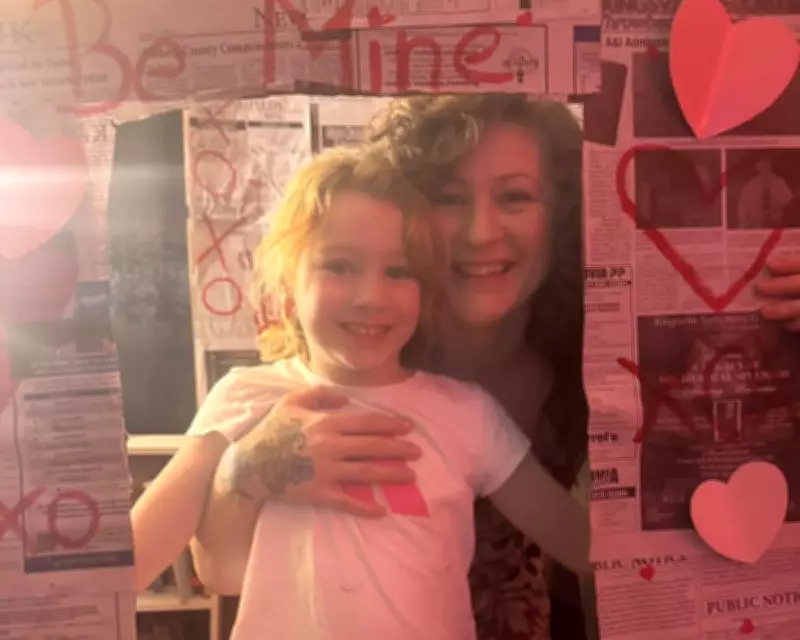
Canadian Mother and Daughter Released from ICE Detention After Nearly Three Weeks
Tania Warner, a Canadian citizen, and her seven-year-old daughter, Ayla, were recently released from detention by U.S. Immigration and Customs Enforcement (ICE) after being held for nearly three weeks in Texas facilities. Their joy at regaining freedom is overshadowed by the plight of many families still incarcerated, whom Warner describes as "suffering greatly" with no due process and constant fear of separation from their children.
Detention Conditions Deemed Unsafe and Degrading
Warner and Ayla were detained at two ICE facilities in south Texas: the Rio Grande Valley Central Processing Center in McAllen and the Dilley Detention Center. A recent report by Human Rights First and RAICES highlights "pervasive abuses against families and children" at Dilley, including inadequate access to food, water, and healthcare. The report notes that over 5,600 people, including toddlers and newborns, were imprisoned at Dilley between April 2025 and February 2026, often in violation of court limits on detention duration.
During their time in detention, Warner and Ayla developed a persistent red rash, which Warner attributes to harsh detergents used to clean their uniforms. She recalls the facility smelling strongly of bleach and cleaners, stating, "The chemicals... they were using destroyed my daughter's skin." Ayla, who was recently diagnosed with autism, was mostly confused by their restricted movement and the overall experience.
Families from Diverse Backgrounds United by Shared Struggle
While detained, Warner encountered families from Venezuela, Egypt, El Salvador, Russia, and other nations. Despite language barriers, she felt a sense of camaraderie, noting that they were "united by our experience." Many of these families, like Warner, had committed no criminal offenses but were caught up in immigration enforcement measures. Warner emphasized, "They're just victims... What the [U.S.] administration is doing is wrong and illegal."
One Russian family, for instance, sought asylum after the father faced conscription for a conflict in Ukraine he opposed. Warner lamented, "They're being punished now, they're in jail for that." She also noted that many parents from Latin America, who were professionals in their home countries, were working low-wage jobs in the U.S. before being detained by ICE.
Ongoing Legal Battles and Fear of Re-Detention
Warner and Ayla were released on a $9,500 bond on April 3, but their legal struggles are far from over. The U.S. government is still seeking to deport them, and Warner must wear an ankle monitor, with travel restricted to within 75 miles of her home in Kingsville, Texas. On April 16, they are required to travel to Harlingen, Texas, for a meeting with their bond officer, passing through an ICE checkpoint that fills Warner with terror. "I'm terrified, I don't know if they're going to try to re-detain us," she said.
Warner maintains that her documents are in order, providing evidence of her employment authorization card valid until June 8, 2030. Their detention began on March 14 when they were stopped at a border patrol checkpoint in Sarita, Texas, while driving home from a baby shower. Both were fingerprinted and detained, despite Warner's claims of legal status.
International Response and Calls for Action
When approached for comment, ICE did not respond to inquiries about the Warners' case. Global Affairs Canada acknowledged awareness of multiple cases of Canadians in immigration-related detention in the U.S., stating that consular officials advocate for citizens but cannot exempt them from local legal processes. However, due to privacy considerations, no further details were disclosed.
Warner's story sheds light on the broader issues of family detention under current U.S. immigration policies. She urges all immigrants to "lie low" and warns of the harsh realities faced by those detained. As she and Ayla navigate their uncertain future, her voice adds to growing calls for reform to protect families from what she describes as "unsafe and degrading" conditions in detention centers.