
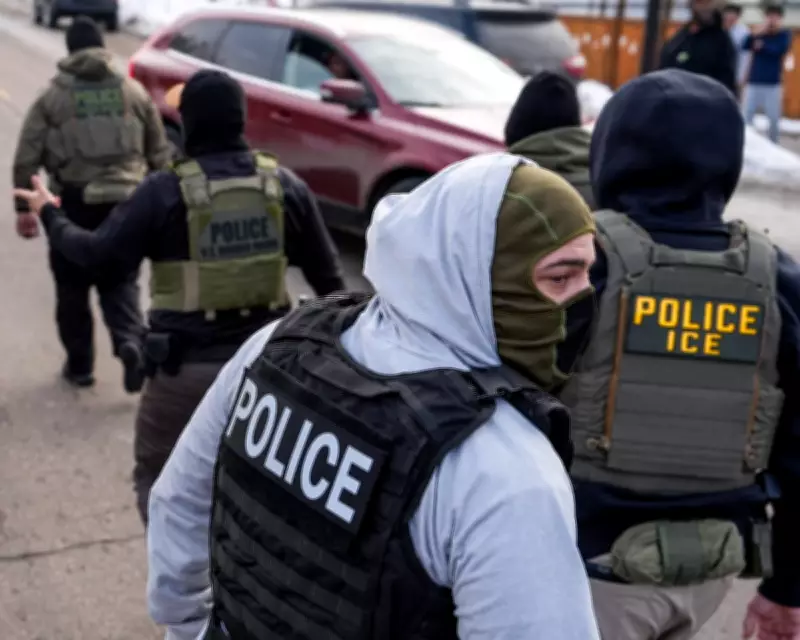
California Judge Orders ICE Agents to Wear Masks During Enforcement Operations
A federal judge in California has issued a significant ruling requiring Immigration and Customs Enforcement (ICE) agents to wear masks during enforcement operations. This decision comes amid ongoing debates about health protocols and the treatment of individuals during immigration raids.
Health and Safety Concerns Drive the Ruling
The judge emphasised that the mandate is based on health and safety considerations for both detainees and the broader public. In the ruling, it was noted that masks can help prevent the spread of respiratory illnesses, which is particularly important in crowded or high-risk environments often associated with immigration enforcement activities.
This move aligns with broader public health guidelines that have been promoted during recent health crises, though it specifically targets federal immigration operations. The judge argued that failing to implement such measures could pose unnecessary risks to vulnerable populations.
Implications for ICE Operations
ICE agents are now required to comply with this mask-wearing directive during all enforcement actions, including raids, arrests, and transportation of detainees. The ruling may lead to adjustments in standard operating procedures for ICE teams operating within California and potentially influence practices in other states.
Some legal experts suggest that this decision could set a precedent for similar mandates in other jurisdictions, especially if health concerns continue to be a priority in law enforcement contexts. However, ICE has not yet issued a formal response to the ruling, leaving questions about implementation and enforcement.
Reactions and Broader Context
Advocacy groups have welcomed the ruling, viewing it as a step toward better protection of immigrant rights and public health. They argue that such measures are essential to ensure humane treatment during often stressful and chaotic enforcement operations.
On the other hand, critics may raise concerns about the practicality of the mandate or its impact on the efficiency of immigration enforcement. The ruling adds to a series of legal challenges and policy debates surrounding ICE's methods and the broader immigration system in the United States.
As this development unfolds, it highlights the ongoing intersection of health policies, legal oversight, and immigration enforcement, with potential ramifications for future cases and public safety protocols.




