Australia's Dual Approach to Immigration Amid Global Turmoil
In the shadow of escalating international conflicts, Australia's immigration system faces intense scrutiny for its contradictory policies. While the nation occasionally extends humanitarian gestures, such as granting visas to Iranian women footballers, it simultaneously enforces punitive measures against thousands fleeing war-torn regions. This dichotomy highlights a broader hypocrisy in how Australia treats those seeking refuge, with some groups deemed more deserving than others based on geopolitical factors rather than human need.
The Global Context of War and Displacement
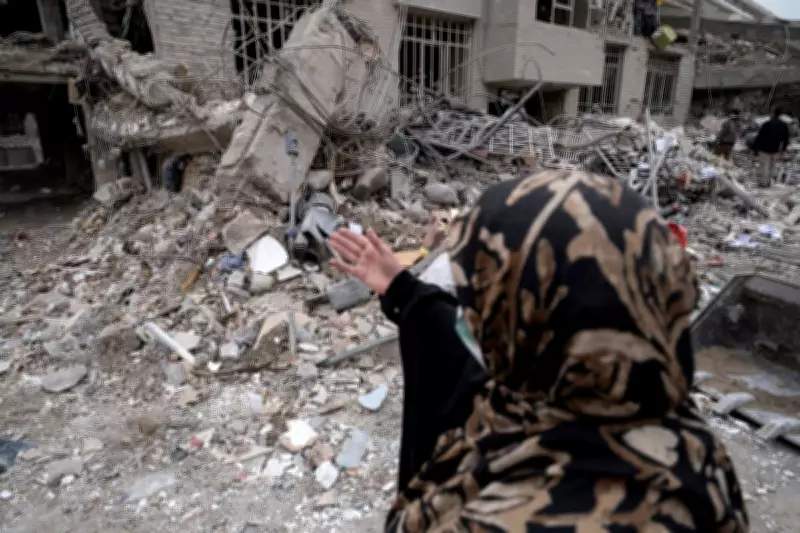
Recent strikes in Tehran and other Middle Eastern regions have displaced millions, underscoring the brutal reality that civilians often bear the brunt of military actions. Historical parallels, such as the bombing of Darwin in 1942 and mistaken attacks on schools in Iran and Denmark, remind us that war is inherently chaotic and indiscriminate. Australia's integration into the American war machine, through bases like HMAS Stirling and Pine Gap, further entangles the nation in these conflicts, challenging its perceived distance from global conflagrations.
As Iranian forces target foreign bases in the Gulf States, including those in Bahrain, the UAE, and Kuwait, the interconnectedness of modern warfare becomes starkly apparent. The US maintains approximately 750 bases worldwide, with 19 in the Middle East alone, making them prime targets in retaliatory strikes. This environment of escalation forces civilians to flee, yet Australia's response remains inconsistent, wavering between generosity and harsh restrictions.
Humanitarian Gestures Versus Punitive Policies
Home Affairs Minister Tony Burke's overnight efforts to secure asylum for Iranian women footballers exemplify a rare moment of compassion. He orchestrated safe houses and urgent relocations to protect these athletes from potential retaliation. However, this action stands in stark contrast to his subsequent decision to cancel temporary visas for about 19,000 individuals from Israel, Lebanon, and Iran, citing risks of overstaying. This move ignores the dire circumstances these people face, as returning to bombed homelands after a brief holiday is often unthinkable.
Australia's history offers lessons in this regard. During the 1930s, the nation turned away many fleeing Nazi Germany, only to later intern 2,500 German and Austrian Jewish anti-fascists in prisoner-of-war camps. Known as the "Dunera boys," many of these individuals eventually contributed significantly to Australian society after their release, demonstrating the long-term benefits of welcoming refugees. Similarly, the 19,000 individuals whose visas are now at risk could have enriched Australia, yet short-sighted policies threaten to repeat past mistakes.
The Broader Implications for Immigration and Asylum
Australia's immigration system has long been criticized for punishing those who flee their homelands out of necessity. With millions displaced by current conflicts, the selective granting of asylum—favoring Ukrainians, Syrians, and Bosnians over others—reveals a troubling bias. This approach not only undermines humanitarian principles but also jeopardizes Australia's moral standing on the global stage. In a world where war easily escalates and borders become porous, isolationist tendencies, as seen during the Covid-19 pandemic, are increasingly untenable.
The ongoing US-Israel assault on Iran may set new benchmarks for military precision, but civilian casualties remain inevitable. As Australia deepens its military alliances, it must reconcile its role in global conflicts with its responsibilities toward refugees. A more consistent and generous immigration policy, rooted in historical lessons and current realities, is essential to avoid further hypocrisy and to truly support those escaping war's devastation.