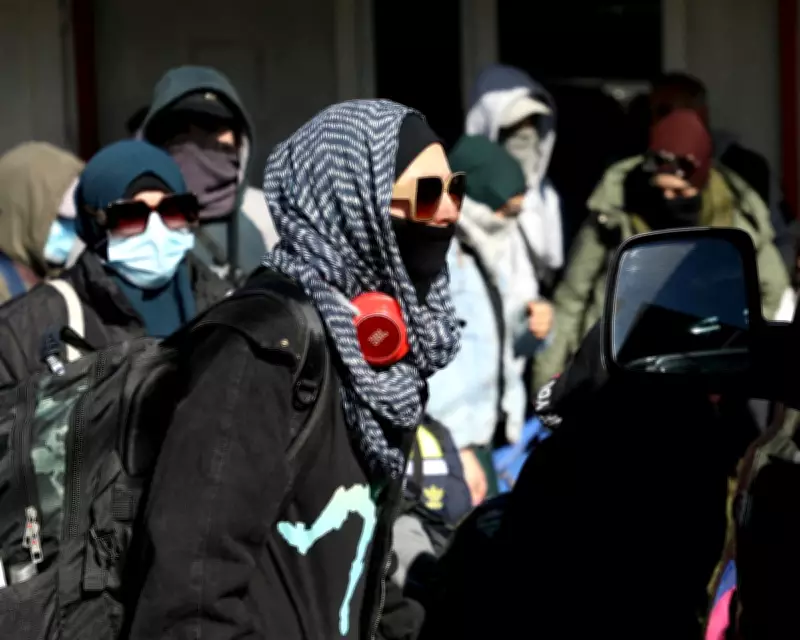
Australian Children in Syrian Roj Camp Face Dire Humanitarian Crisis
The plight of Australian children held in the Roj camp in northeastern Syria has escalated into a pressing humanitarian issue, drawing widespread concern from advocacy groups and international observers. These minors, many of whom are under the age of ten, are living in conditions described as severely inadequate, with limited access to basic necessities such as clean water, healthcare, and education. The camp, which houses families associated with the Islamic State, has become a focal point for debates on national security, human rights, and the responsibilities of governments towards their citizens abroad.
Urgent Calls for Government Intervention and Repatriation
Human rights organizations and legal experts are intensifying their demands for the Australian government to take immediate action. They argue that the children, who are innocent victims of circumstances beyond their control, should be repatriated to Australia to receive proper care and protection. Advocates highlight that prolonged detention in the camp exposes these young individuals to trauma, malnutrition, and the risk of radicalization, undermining their future prospects and well-being. The situation is compounded by the complex legal and logistical challenges involved in extracting citizens from conflict zones, but supporters of repatriation emphasize that moral and ethical obligations must prevail.
Recent reports indicate that the Australian government has faced criticism for its slow response, with some officials citing security concerns as a barrier to repatriation. However, critics counter that other countries, including European nations, have successfully repatriated their citizens from similar camps, setting a precedent that Australia could follow. The debate has sparked discussions on the balance between national security and humanitarian duties, with many calling for a more compassionate approach that prioritizes the welfare of vulnerable children.
Impact on Families and Broader Implications
The crisis extends beyond the immediate suffering of the children, affecting their families and raising broader questions about citizenship and accountability. Many of the children's parents are either deceased or detained, leaving the minors in a state of limbo without guardianship or legal representation. This has led to calls for enhanced consular support and international cooperation to address the issue. Additionally, the situation underscores the need for comprehensive policies to prevent such scenarios in the future, including measures to support at-risk families and improve oversight of citizens traveling to conflict regions.
As the international community watches, the fate of these Australian children remains uncertain. Advocates continue to push for swift action, warning that delays could have irreversible consequences on their health and development. The case serves as a stark reminder of the human cost of geopolitical conflicts and the urgent need for coordinated efforts to protect the most vulnerable.