
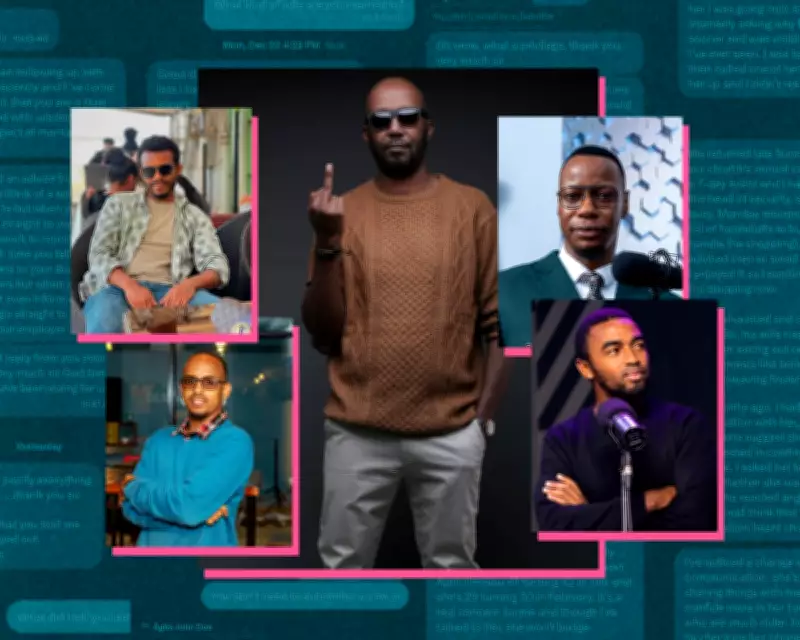
The Rise of Africa's Digital Manosphere
While Western manosphere figures like Andrew Tate and Sneako have dominated headlines, a parallel movement is gaining dangerous momentum across Africa. Experts are sounding alarms about the proliferation of deep misogyny disguised as self-help content spreading through African social media platforms.
A Continent-Wide Phenomenon
Sunita Caminha, who leads UN Women's efforts to end violence against women and girls in east and southern Africa, first noticed this troubling trend about five years ago. "Research and data consistently show this is an alarming issue across different countries and contexts on the continent," Caminha emphasizes. The African continent boasts more than 400 million people aged between 15 and 35, creating a vast audience for these harmful messages.
Awino Okech, professor of feminist and security studies at Soas University of London, notes that while harmful digital content has expanded dramatically in recent years, the underlying falsehoods about women in Africa predate current online proliferation. "The ideas shaping the manosphere connect to earlier men's rights organizations like Maendeleo ya Wanaume," Okech explains.
Red Pill Theory Goes Continental
The manosphere represents a loose network of communities claiming to address men's struggles with dating and fitness while often promoting harmful misogynistic attitudes. Central to this movement is the red pill theory, which frames men as victims of a society distorted by feminism. This worldview has been amplified across Africa, with influencers positioning themselves as correcting perceived imbalances through domination and intimidation tactics.
The consequences are severe and far-reaching. Women who voice opinions face threats, harassment, and being hounded offline. Online abuse targeting female politicians is increasing globally. Experts warn this atmosphere empowers extreme manifestations of misogyny, including trafficking, sexual exploitation, femicide, physical and verbal violence, stalking, and domestic abuse.
Technology-Facilitated Gender Violence
As digital spaces expand, so do methods for perpetrating gender-based violence. Technology-facilitated gender-based violence (TFGBV), as defined by the UN, involves acts committed using digital tools that result in physical, sexual, psychological, social, political or economic harm. Research suggests up to 60% of women worldwide have experienced this type of abuse.
TFGBV takes multiple forms including doxing (sharing personal information online), deepfake abuse, sexual harassment, intimidation, and sextortion. It infiltrates homes, workplaces, schools, and universities, often starting online before escalating into offline violence. Young women and girls, women with disabilities, women of color, LGBTIQ+ individuals, and women in public life face particular risks.
Key Figures in Africa's Manosphere
Amerix - Kenya
Eric Amunga, operating as Amerix, presents himself as a reproductive health specialist promoting "a holistic approach to the wellness and welfare of men." With 2.3 million followers on X, 160,000 on Facebook, and substantial Telegram and WhatsApp audiences, Amerix packages deeply misogynistic attitudes with men's wellness advice.
He declares unmarried women over 30 as "red flags," advises against sleeping with "sluts," and warns men to avoid oral sex to "protect their sexual energy from sex predators." Amerix dismisses the idea that empowering women empowers communities, insisting only men can fulfill this role as fathers and family leaders. He regularly disparages "fat" women and "simps" (men showing deference to women) while propagating the #MasculinitySaturday hashtag.
Andrew Kibe - Kenya
Former radio host Andrew Kibe transitioned to podcasting, amassing over 420,000 YouTube subscribers before his account was terminated for violating platform terms. He helped establish Yafreeka, positioning it as an African YouTube alternative, though its current status remains unclear. Kibe maintains substantial presence on X with smaller followings on Instagram and TikTok.
In his book "28 Commandments: A Journey into Manhood," Kibe advises men never to share problems with women, disparages modern marriage and monogamy, and claims workplaces are "toxic" for men. He sparked backlash by asserting women's sole purpose is bearing children.
Àgbà John Doe - Nigeria
The Nigerian manosphere thrives primarily on X, where anonymous influencer Àgbà John Doe (meaning "elder" in Yoruba) discusses relationships, masculinity, finances, and traditional gender roles. With a brusque style ending posts with "End," his views have been labeled deeply misogynistic.
He claims women's true character only emerges after their hymen is broken and suggests men who don't "deflower" women lack courage, wit, or skill. Ugochi Ihe of TechHer identifies Doe as one of three main Nigerian manosphere influencers on X, collectively boasting over 1.6 million followers.
Naty Mon - Ethiopia
With nearly half a million TikTok followers, Naty Mon represents one of Ethiopia's most prominent manosphere voices. He collaborates with Bella Axumawi, another influencer who uses derogatory Amharic terms for women. Mon's TikTok live streams, republished across platforms, involve inviting young women to discuss their bodies and sexual positions.
He uses Telegram to circulate information and photos for shaming purposes, employing humor, satire, and Amharic slang to critique Ethiopian women and feminists. In predominantly Christian Ethiopia, Mon uses Bible quotes to argue women shouldn't be equal to men or talk back to them.
Xaliye - Somalia
Abdisamad Xaliye, meaning "fixer" or "solver," is a former TV journalist turned influencer based in Nairobi. His Somali-language podcast "Fikradaha Xaliye" and YouTube channel with 178,000 subscribers focus on masculinity and self-improvement themes.
Xaliye advises men to be cautious with women, never give money to girls they're dating, and uses derogatory names while body-shaming women for not exercising. His TikTok live dating shows involve berating and shaming female callers as he advocates returning to traditional gender roles.
Shadaya Knight - Zimbabwe
With nearly 700 million followers on X, Night Tawona Shadaya (operating as Shadaya Knight) has been called Zimbabwe's Andrew Tate. His banner features images of Andrew Tate, Elon Musk, and Donald Trump. He gained international attention criticizing a Vogue cover showing Rihanna leading while holding A$AP Rocky's hand.
Knight's post claiming "the emasculation of men continues" went viral with over 20 million views. He later posted that men aren't attracted to women's achievements but to their femininity and youthfulness, calling Rihanna "washed up, old and fat."
Penuel The Black Pen - South Africa
Penuel Mlotshwa hosts "The Penuel Show" podcast on YouTube with 133,000 subscribers and approximately 15 million views. He mixes political and social commentary with more controversial content, having interviewed anti-feminist influencer Siphesihle Nxokwana.
Mlotshwa has claimed "most women are confused, delusional and responsible for most broken families" and advises teaching boys never to be vulnerable with partners. Unlike some anonymous voices, he's open about having six children with different women and not believing in marriage.
Broader Implications and Concerns
Siddharth Venkataramakrishnan of the Institute for Strategic Dialogue notes that extreme voices don't necessarily attract the most attention. "Mlotshwa succeeds by mixing questionable content with less controversial material," he observes, explaining why such figures gain larger followings than those exclusively promoting "women are all terrible" narratives.
Research by the Centre for Information Resilience reveals Ethiopian influencers spread misogynistic content using offensive gendered slurs often disguised as comedy. The study highlights content moderation and regulatory enforcement crises in Ethiopia, with many doubting platforms' ability to effectively tackle online abuse.
Okech draws direct connections between online rhetoric and real-world violence: "There's a straight line between blogs and YouTube channels denigrating women to physical violence, including femicide. This appears in language men use to 'explain' why they killed women."
As X's Creator Revenue Sharing program financially rewards content creation and engagement, Ugochi Ihe warns: "When posting about 'incel' culture on X earns more than a monthly salary, it provides powerful incentives." This monetization aspect adds concerning dimensions to the proliferation of harmful content.
The African manosphere's growth represents a complex challenge requiring coordinated responses from platforms, governments, and civil society to address both online rhetoric and its dangerous offline consequences.




