
Over 300,000 Children Could Face Decade-Long Wait for UK Settlement Under Proposed Changes
More than three hundred thousand children already living in the United Kingdom could be forced to wait a full decade for settled status under proposed changes to the Home Office's "earned settlement" policy, according to a comprehensive analysis by a prominent centre-left thinktank.
IPPR Analysis Reveals Widespread Impact on Young People
The Institute for Public Policy Research (IPPR) has found that nearly a quarter of the 1.35 million people currently on routes to settlement are children, with most being dependants on their families' work visas. The thinktank's detailed examination suggests that these proposed changes could trap families in prolonged periods of uncertainty and insecurity.
Under the current system, most migrant workers qualify for permanent residence after five years in the country. However, ministers now want to double this qualifying period to ten years for the majority of applicants. For those in below-graduate level positions, including many essential care workers, the default waiting time would extend to fifteen years.
Labour MPs Voice Strong Opposition to Retrospective Changes
The findings emerge as Home Secretary Shabana Mahmood faces significant opposition from within her own party regarding alterations to permanent settlement rights. Approximately forty Labour MPs have raised serious concerns about the impact of these proposals on migrants already established in the UK.
Tony Vaughan, the MP for Folkestone and Hythe, described the retrospective approach as "un-British" during a Westminster Hall debate, stating that "you cannot talk about earning settlement if you keep moving the goalposts after the game has started." Rachael Maskell, MP for York Central, warned that the government's immigration reforms risked worsening the UK's existing skills shortage.
Human Impact on Families and Children
The IPPR analysis highlights that if applied retrospectively, these changes could penalise individuals who arrived in the UK under different rules and made significant life decisions based on the expectations established at that time. The thinktank argues that the proposals would extend insecurity for families, with potentially damaging consequences for integration, educational opportunities, and child poverty rates.
Marley Morris, associate director for migration, trade and communities at IPPR, emphasised: "Families who were welcomed to the UK under one set of rules should not have the goalposts moved part way through their journey. For the 300,000 children affected, this is not an abstract policy change. They face growing up with prolonged insecurity."
Personal Testimony Highlights Real-World Consequences
Zayne, an eighteen-year-old currently on the five-year route to settlement who faces an extension to ten years under the proposed changes, shared his family's experience: "My dad is an NHS doctor who chose to work in the UK because he believed in the rules and the promise of stability. He gave up better-paid work abroad, sold our house and car, and spent thousands doing everything right – only to be told, a month before we qualify, that the rules have changed."
He continued: "I'm 18 years old, I've worked hard for my A-levels, and I want to study medicine, but without access to student finance I simply can't afford university here. My mum cries every day because our whole future feels like it's been pulled away overnight."
Government Position and Settlement as Privilege
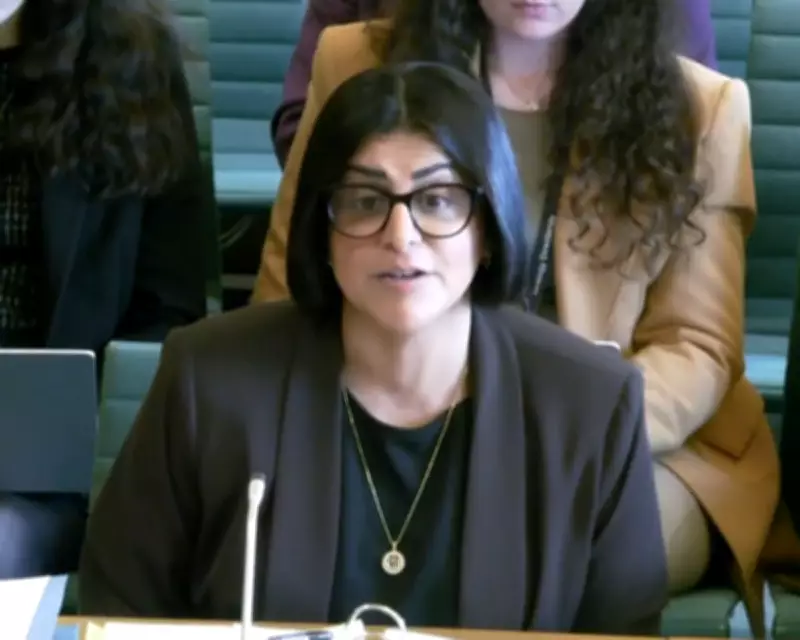
Home Secretary Shabana Mahmood recently told MPs at the home affairs select committee that UK settlement represents a "privilege not a right" and suggested it would be "odd" for the country not to seek to attract the "brightest and best" people to work here.
She explained to committee members: "I think at five years that's actually quite a short period before people can be permanently settled in the country with all of the benefits that that brings. I think it's right therefore that we extend it."
Call for Protective Measures and Future Implications
The IPPR is calling on the government to introduce a clear protective clause to safeguard those already on established routes to settlement from retrospective changes. The thinktank warns that hundreds of thousands of children could grow up without secure immigration status, limiting their ability to plan for their futures effectively.
Delayed settlement could restrict access to higher education, student finance, and stable employment opportunities later in life. Parents might find themselves locked out of essential support through restricted access to benefits, increasing the risk of child poverty among households on low incomes – including those working in care and other essential roles.




